Start here.
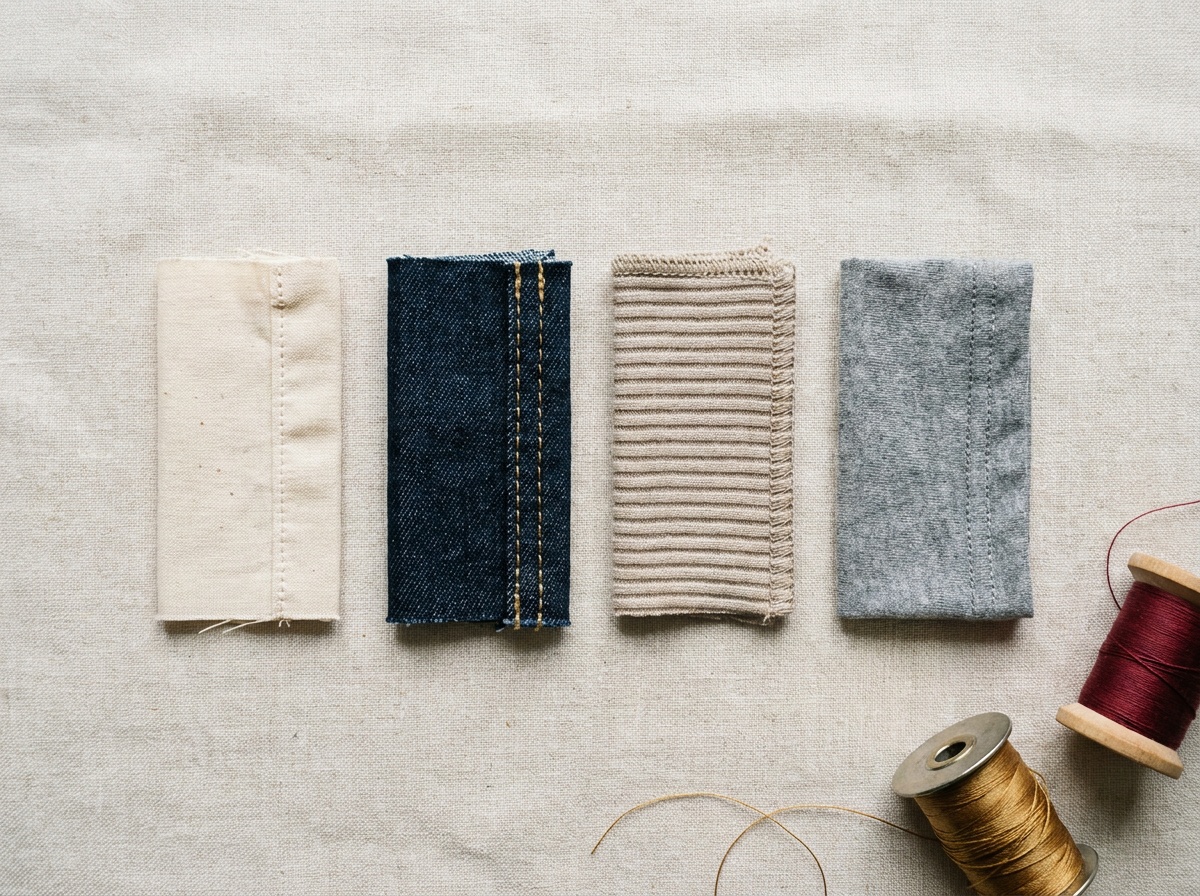
Stitch and Seam Classes: The ISO and ASTM Reference
The full stitch-type and seam-type classification used across apparel production: the six stitch classes (100 to 600), the six ASTM seam classes (SS, LS, BS, FS, EF, OS), and how the two combine to specify a seam on a tech pack.
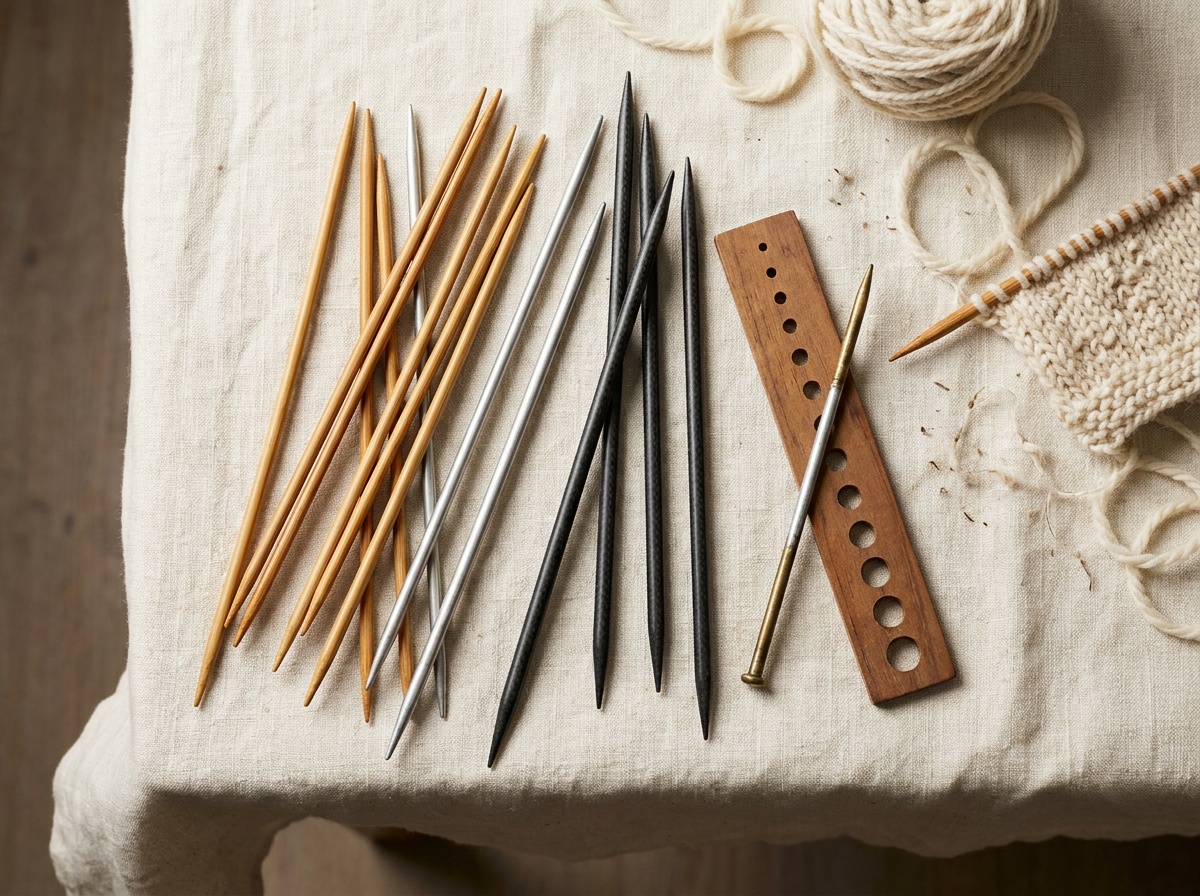
Knitting Needle Sizes: Metric, US, and UK Conversion
A full metric-to-US-to-old-UK knitting needle conversion chart, and why the metric millimetre size is the one to trust.
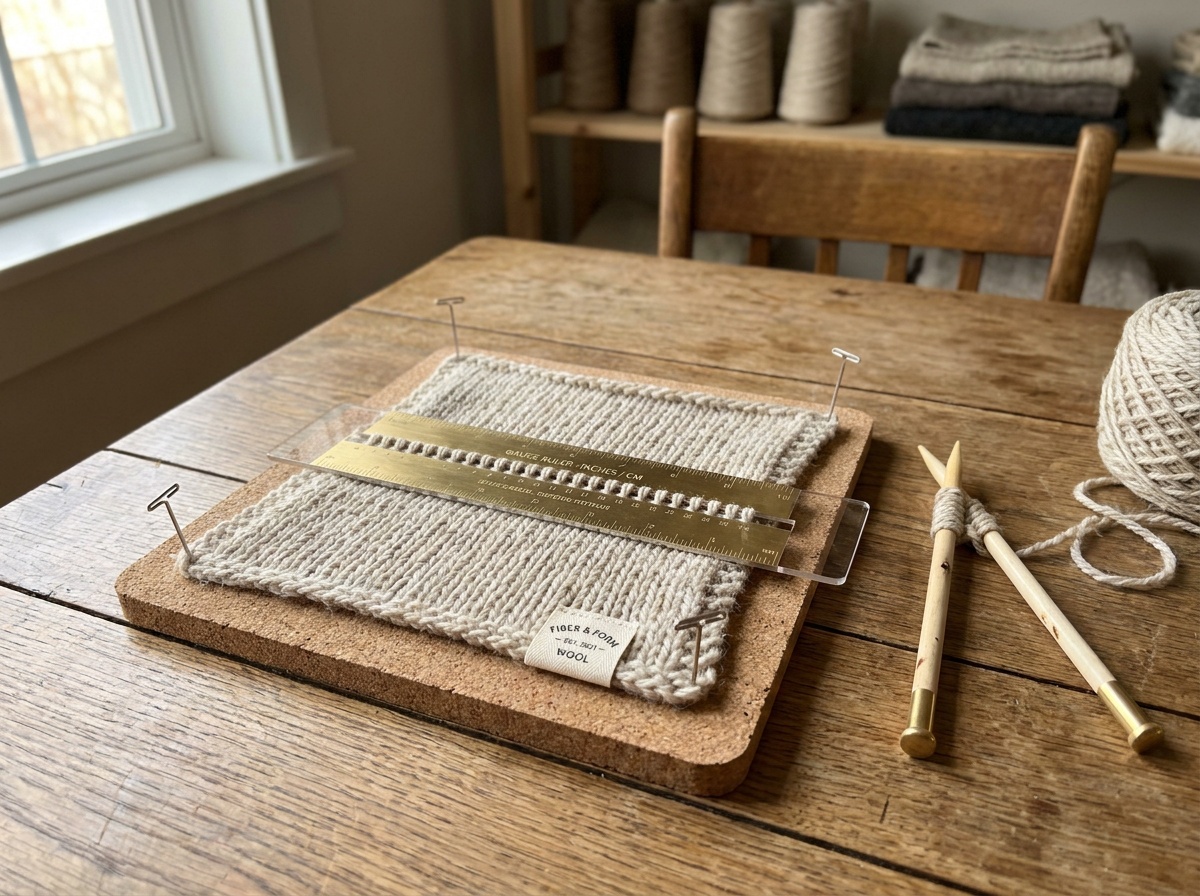
Knitting Gauge and Tension, Explained
What gauge is, how to knit and measure a swatch, and how to adjust needle size when your gauge is off.
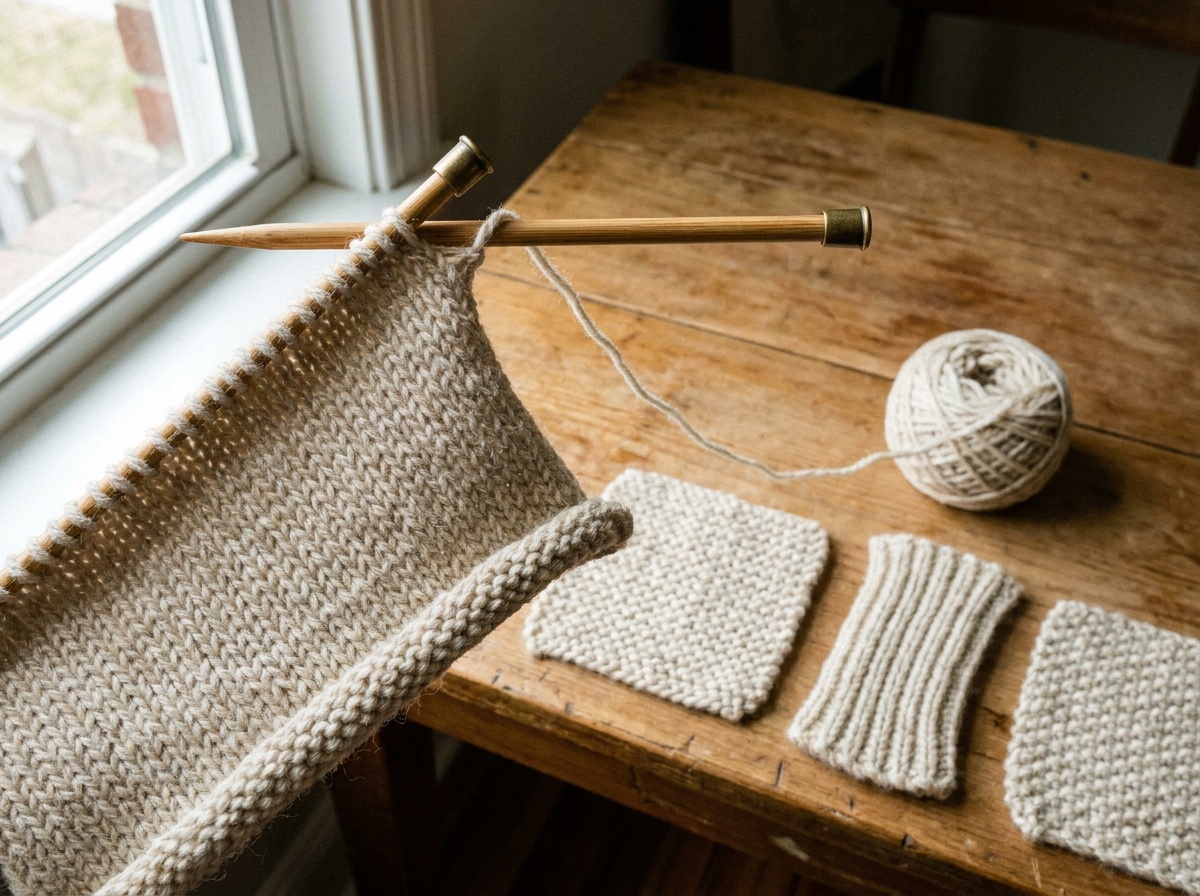
Knit vs Purl: The Two Stitches Everything Is Built From
What the knit and purl stitches are, how they differ, and how combining them makes stockinette, garter, ribbing, and seed stitch.
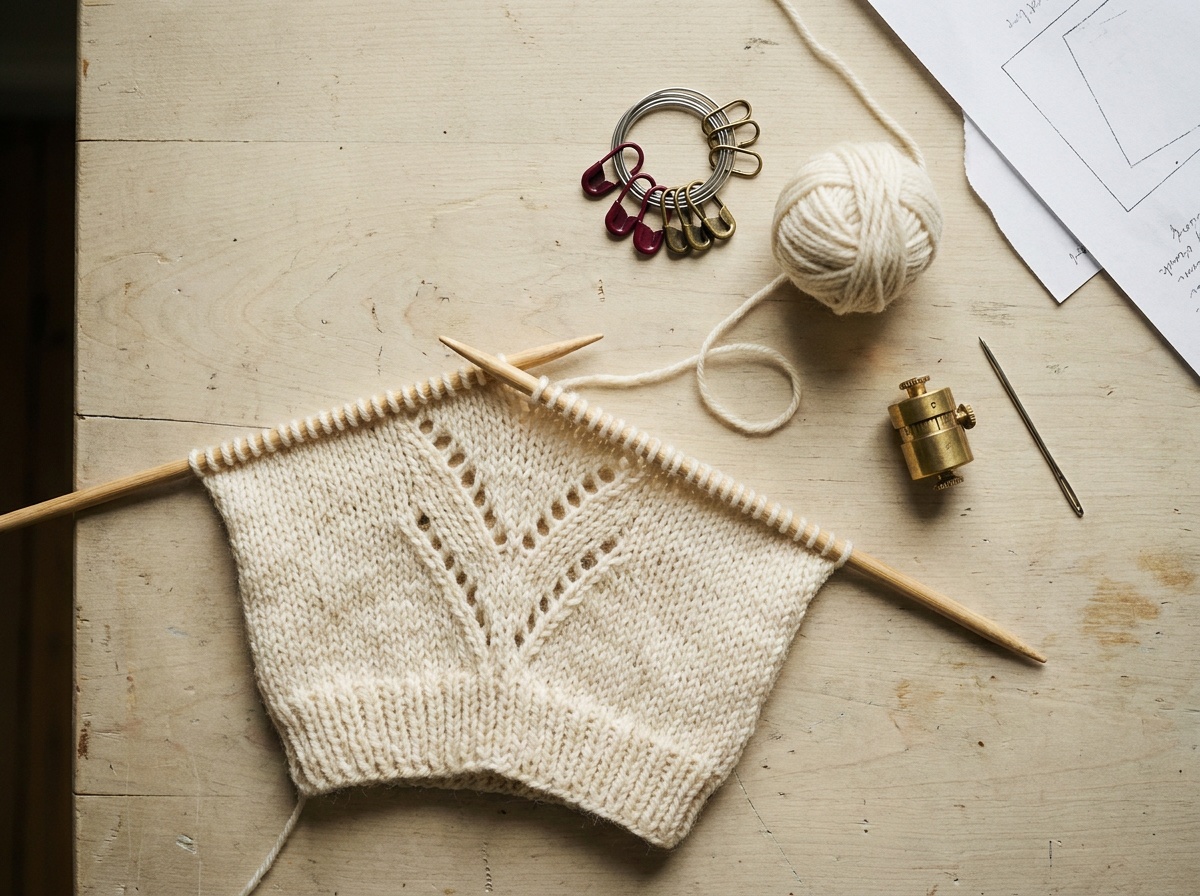
How to Read a Knitting Pattern
Every knitting abbreviation, bracket, and asterisk explained, plus the US/UK differences and how to read a chart.
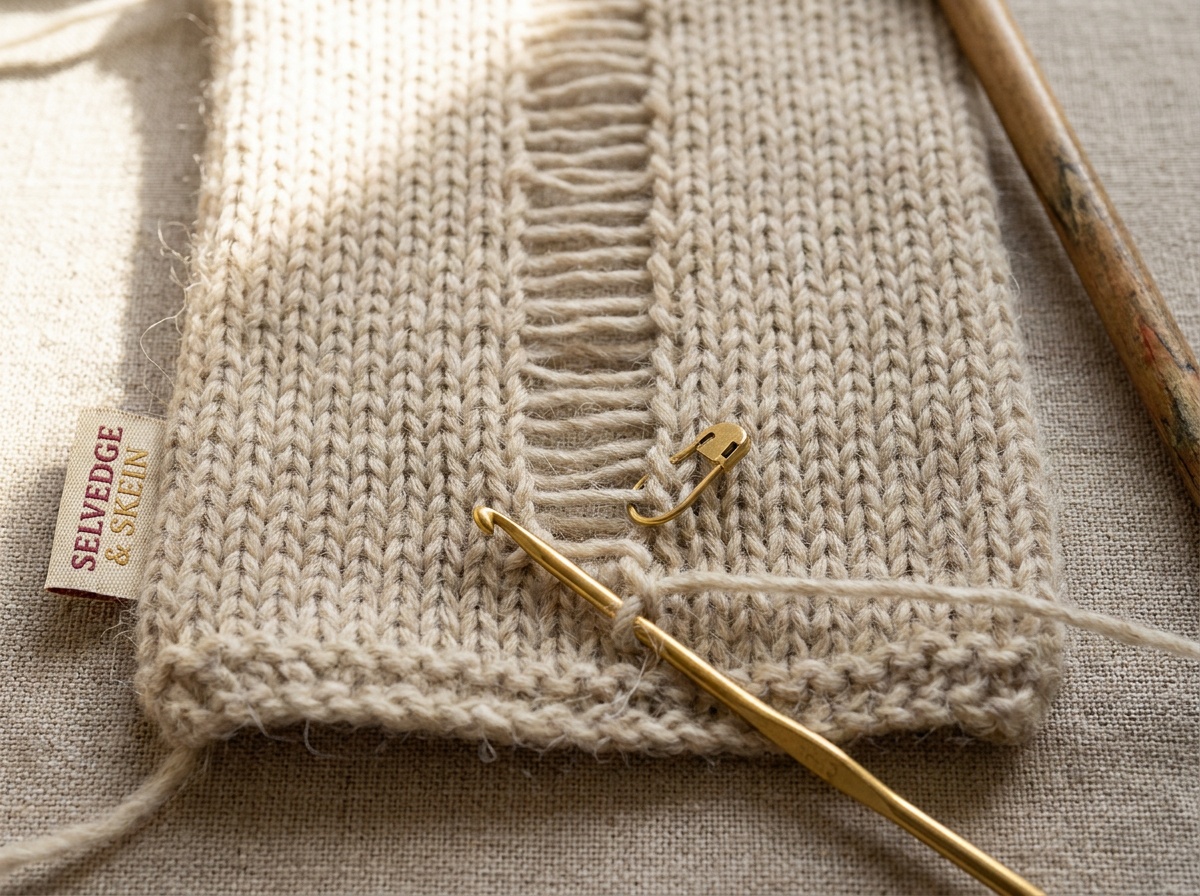
How to Fix a Dropped Stitch in Knitting
How to catch, ladder up, and rescue a dropped stitch in stockinette, garter, and ribbing before it runs.
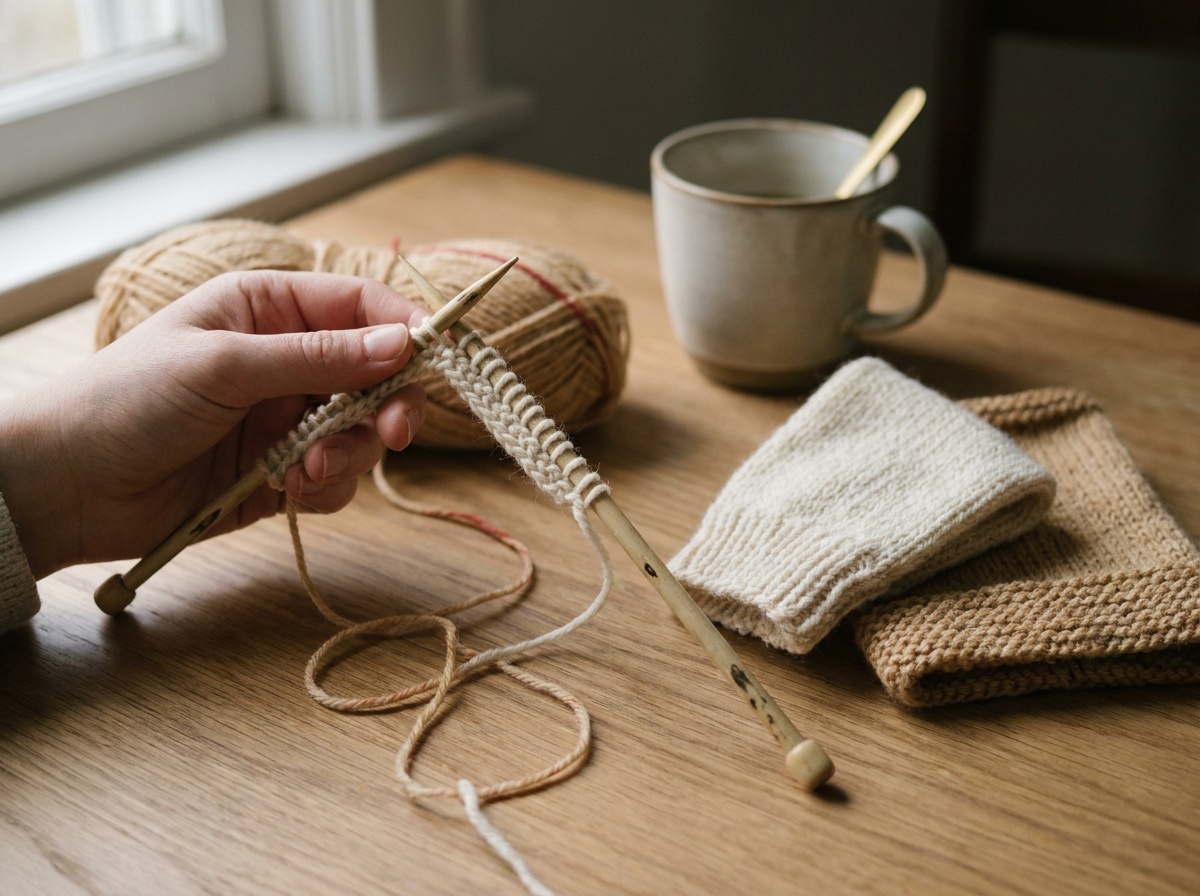
How to Cast On in Knitting: The Main Methods Compared
Long-tail, knitted, cable, and provisional cast-ons compared on stretch, edge firmness, and when to use each.
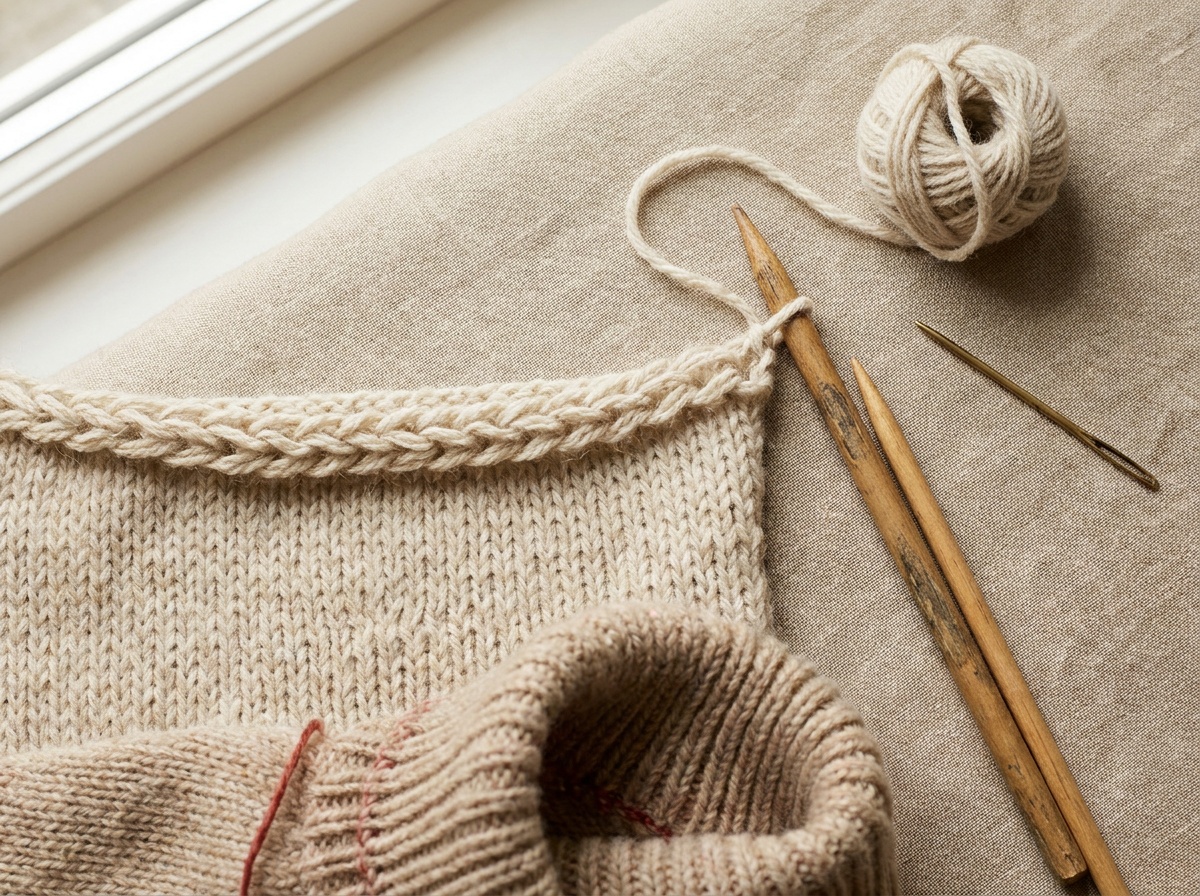
How to Bind Off (Cast Off) in Knitting
The standard bind-off, stretchy bind-offs for ribbing, and how to keep the edge from pulling in too tight.
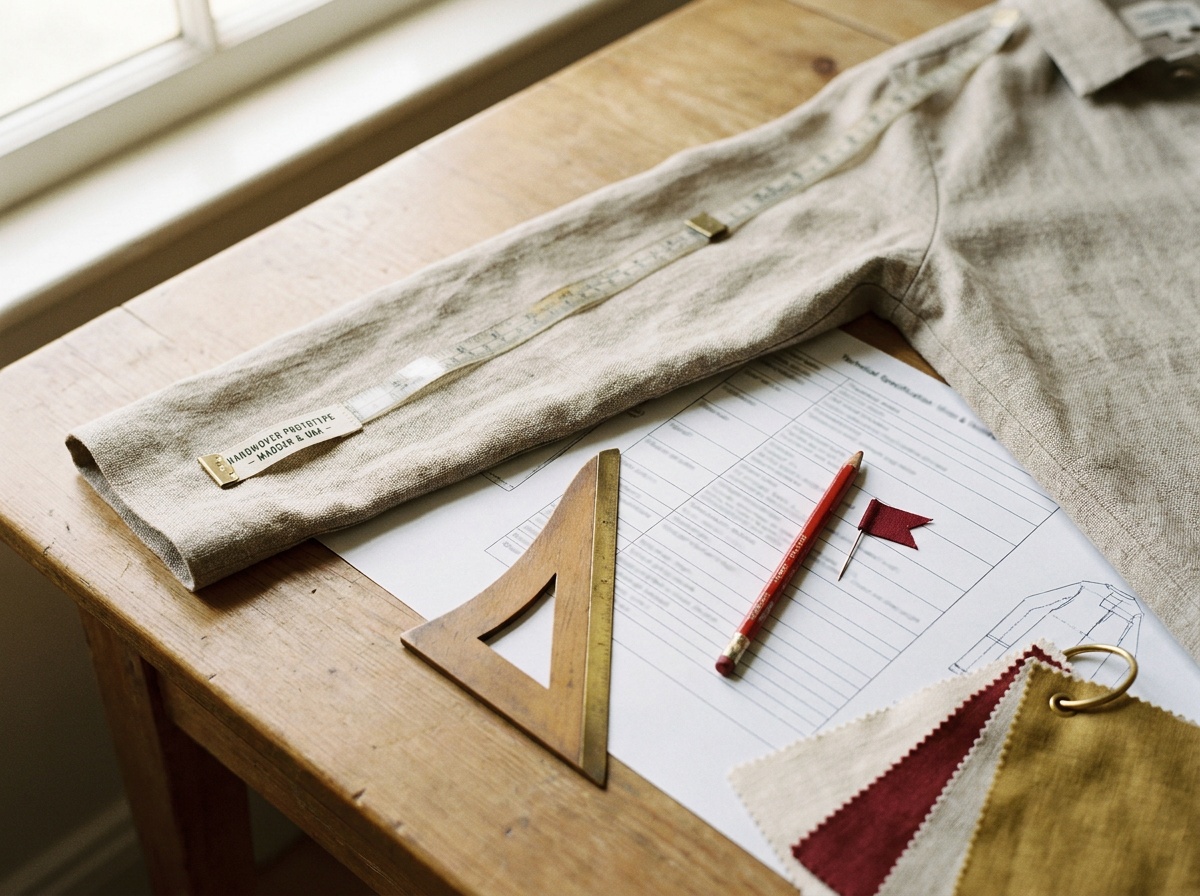
What Does a Technical Designer Do? (vs a Fashion Designer)
The technical designer, the fashion designer, and the pattern maker do three different jobs, and knowing where each one starts and stops keeps you from hiring the wrong person.
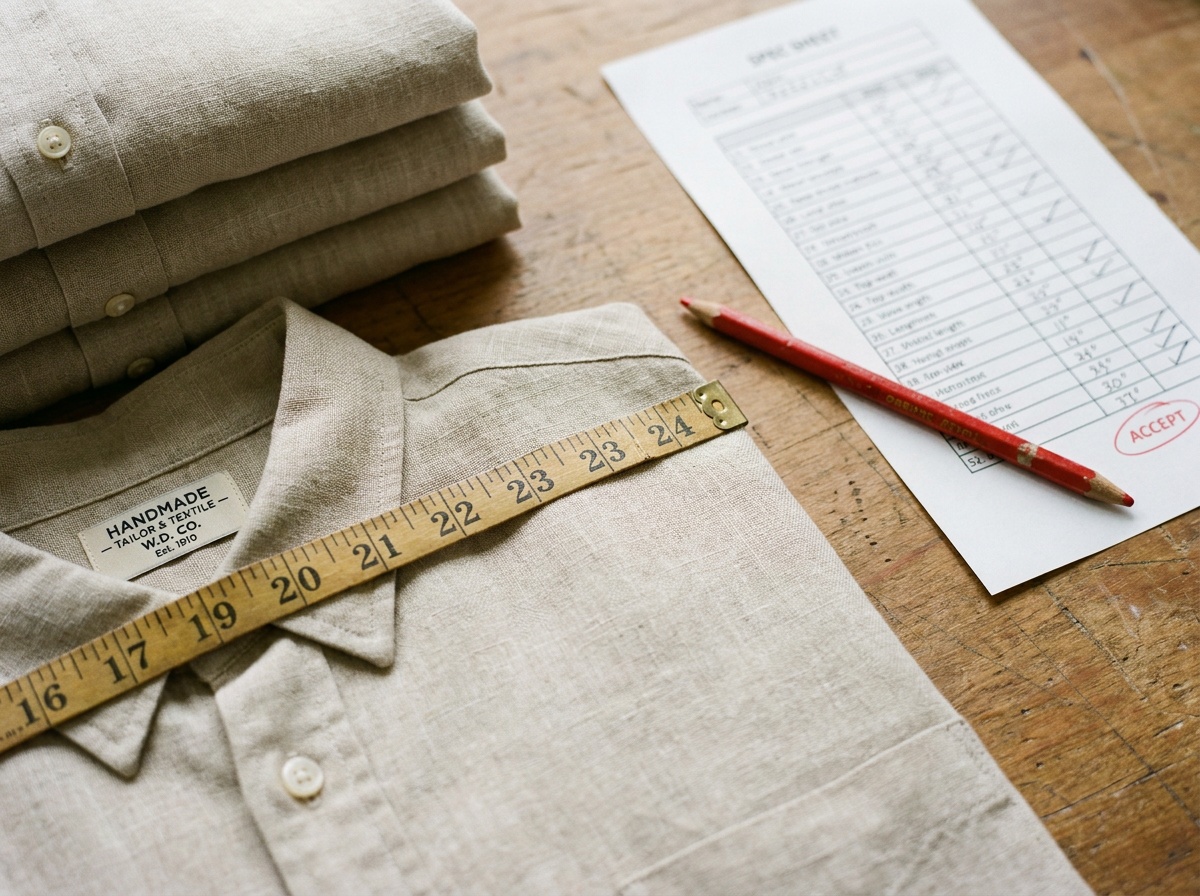
Tolerances in Apparel Manufacturing
What a tolerance is on a spec sheet, the ranges factories work to, and why the number matters more than founders expect.
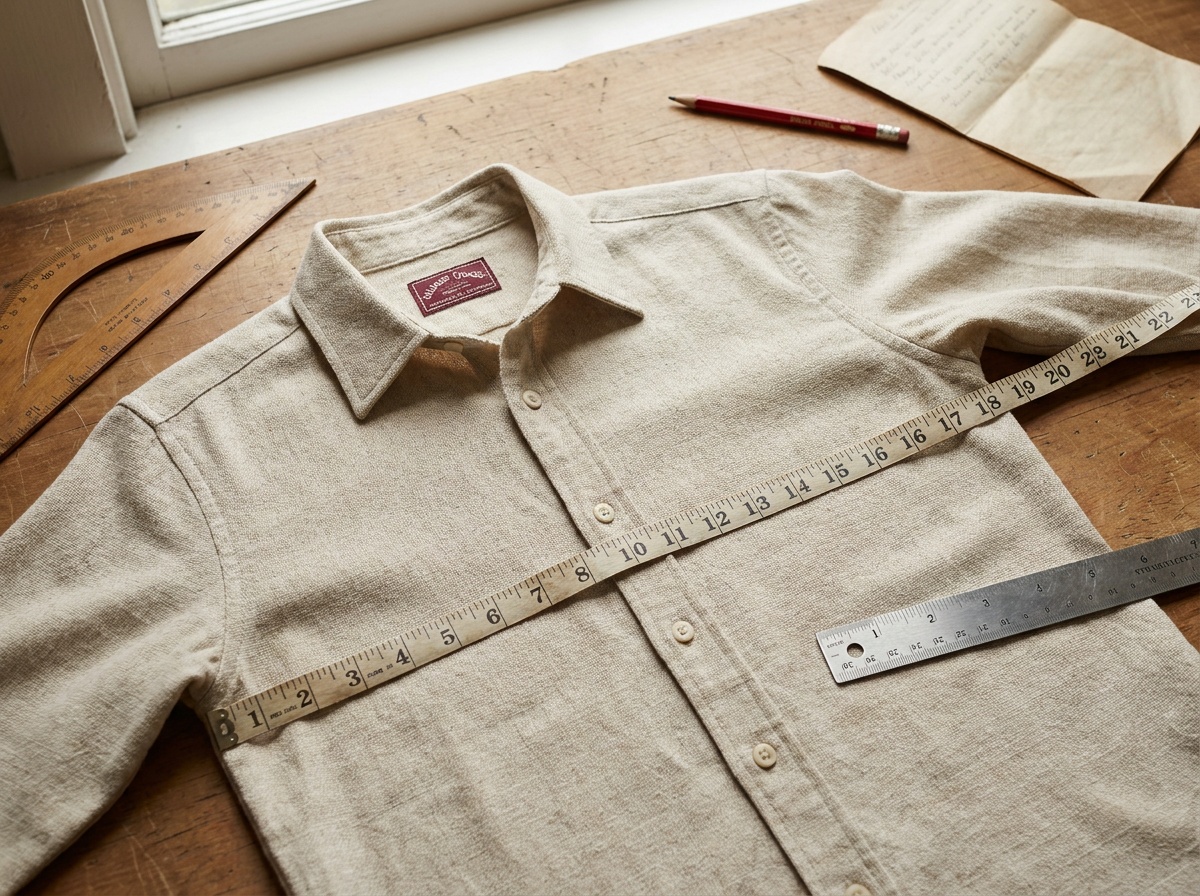
Points of Measure (POM) Explained, with Standard Charts
What a point of measure is, the abbreviations factories use, and how a POM chart is built for a basic top.
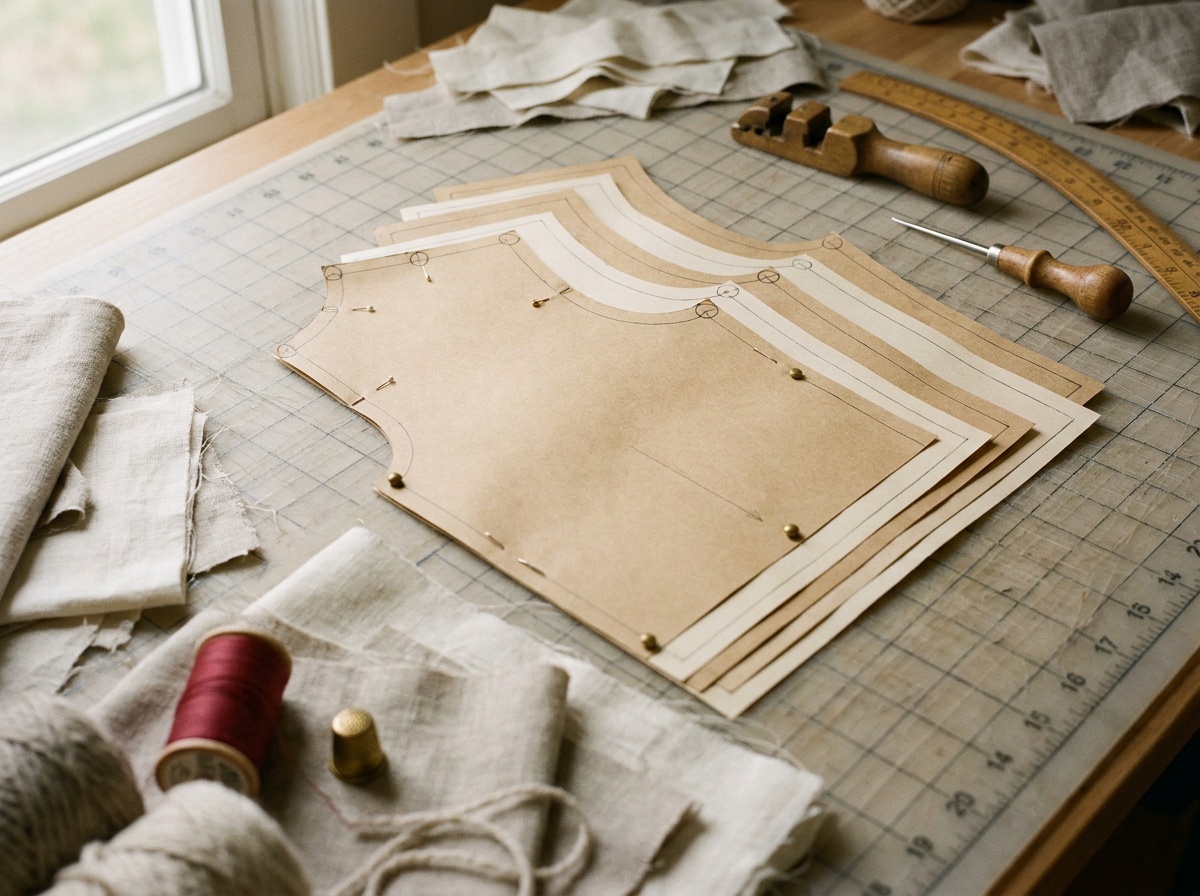
Pattern Grading Explained: Grade Rules and Size Charts
How one sample pattern becomes a full size run, what a grade rule specifies, and why grading isn't the same as scaling a photo.
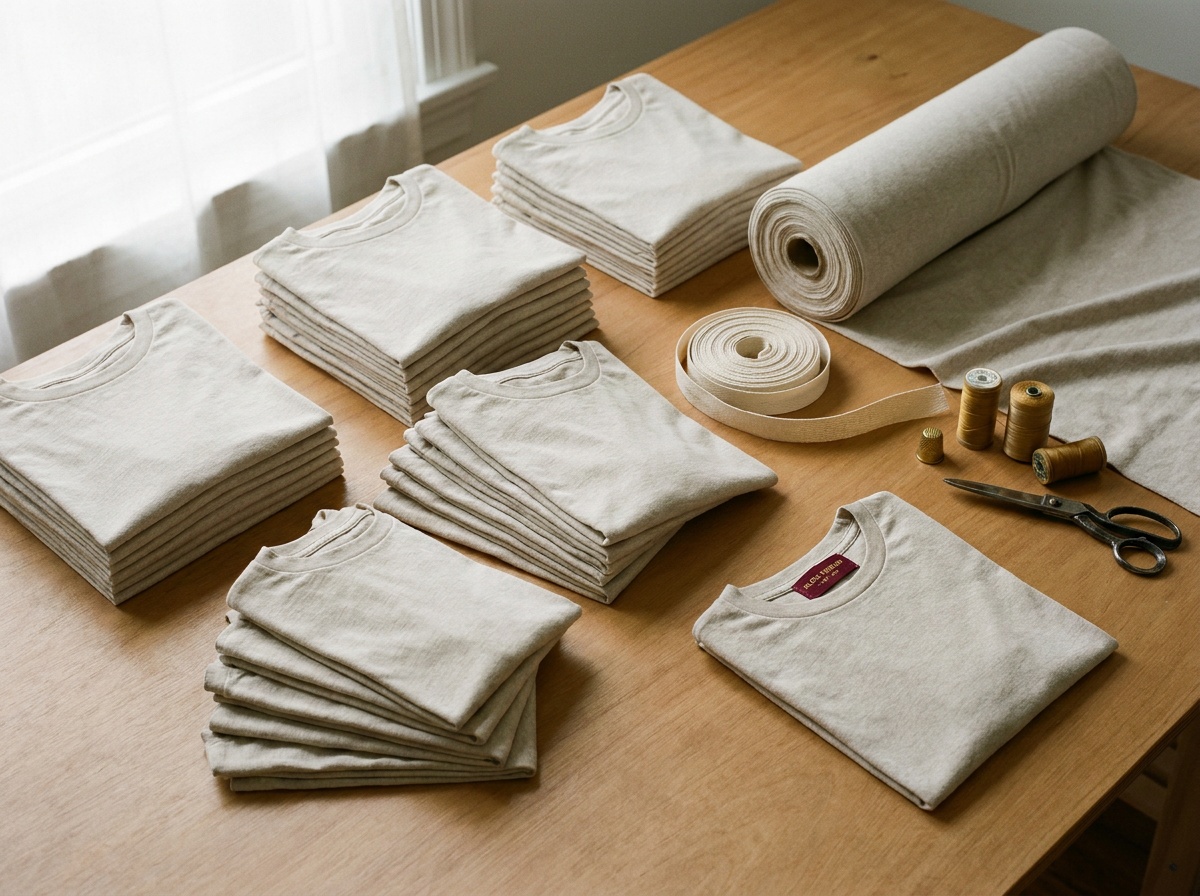
MOQ Explained: Minimum Order Quantities for Small Brands
What a factory's minimum order quantity covers, why it's set per style and per color, and the levers that bring it down.
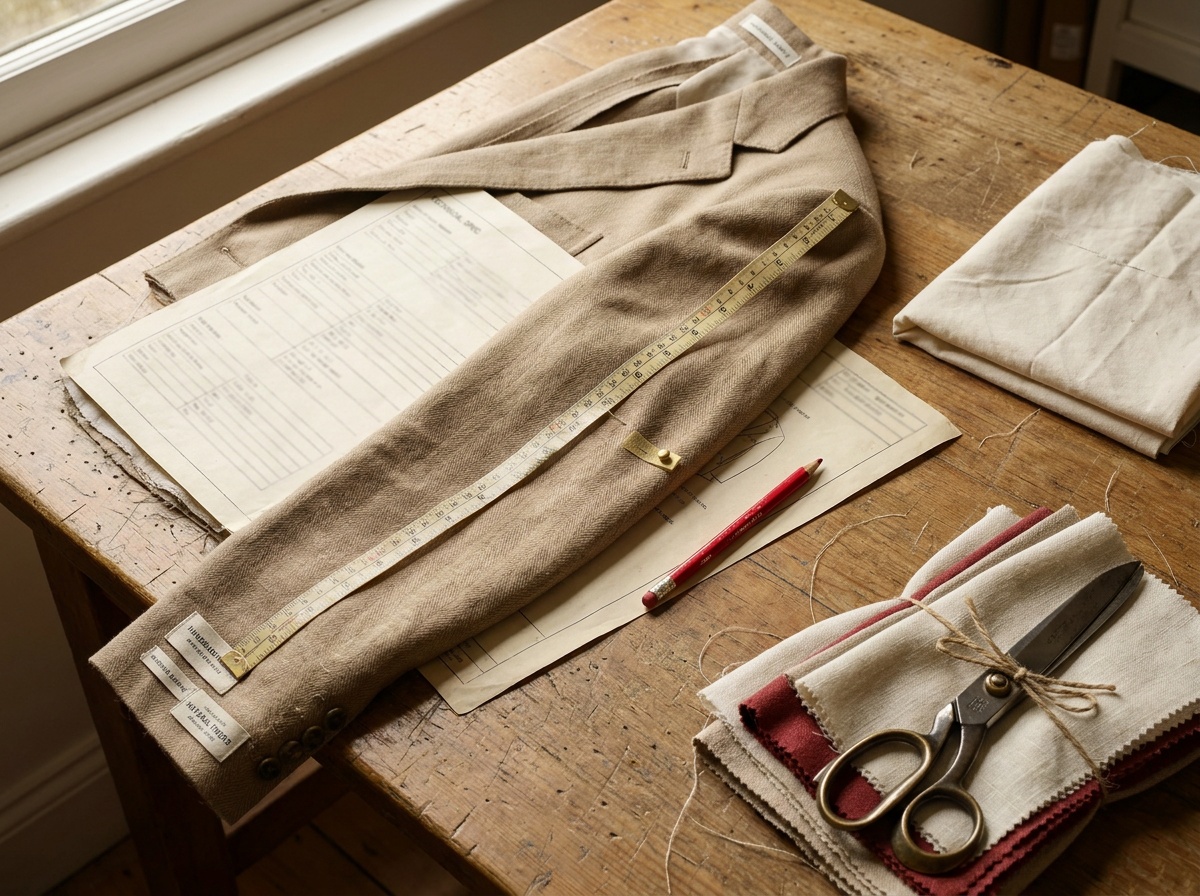
How to Give Fit Comments a Factory Can Use
The three-part formula that turns a fitting-room reaction into a comment a pattern maker can act on, plus the mistakes that send a comment sheet back unread.

How to Find a Clothing Manufacturer (US and Overseas)
The real channels founders use to find a factory, what US and overseas manufacturing cost in time and money, and how to vet a factory before you send a deposit.
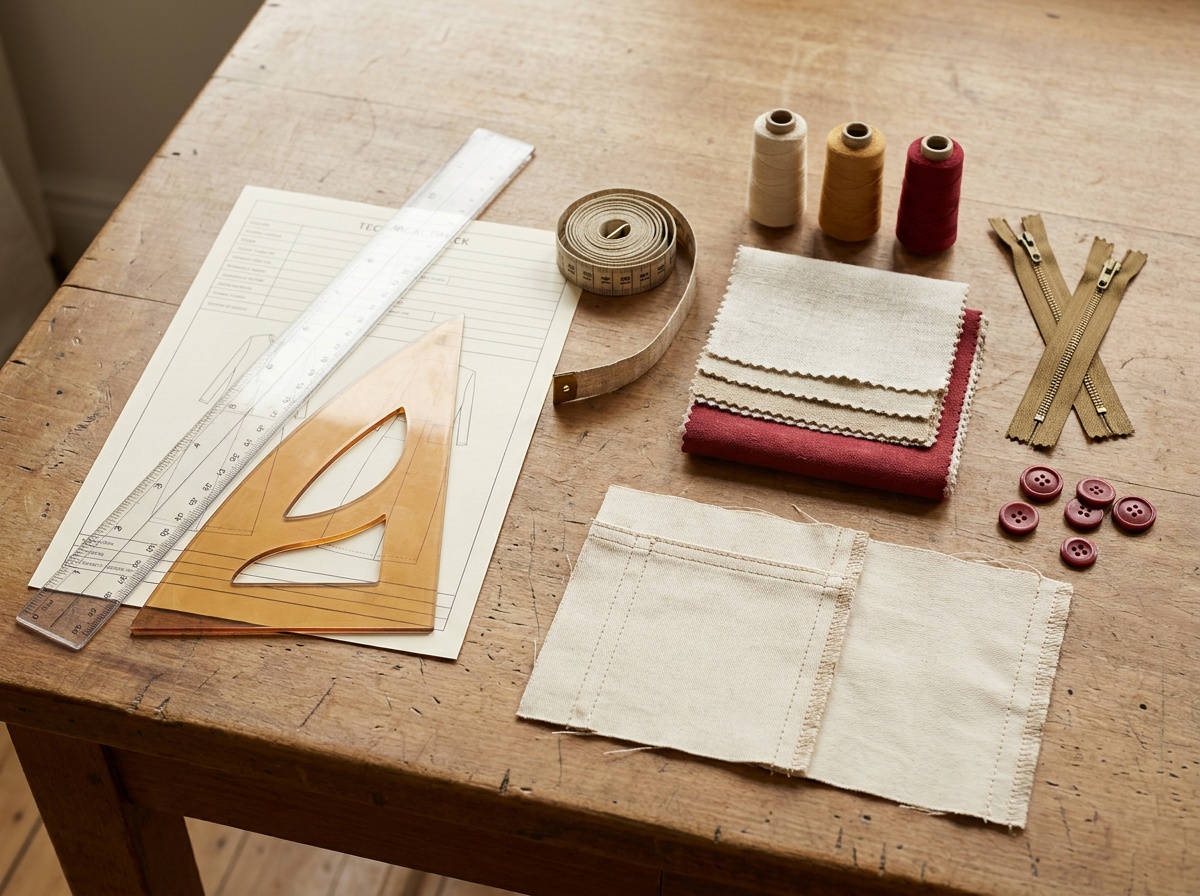
How to Create a Tech Pack, Step by Step
The build order that gets a tech pack right the first time, from flat sketch through labeling, with the measurement and stitch data a factory checks against.
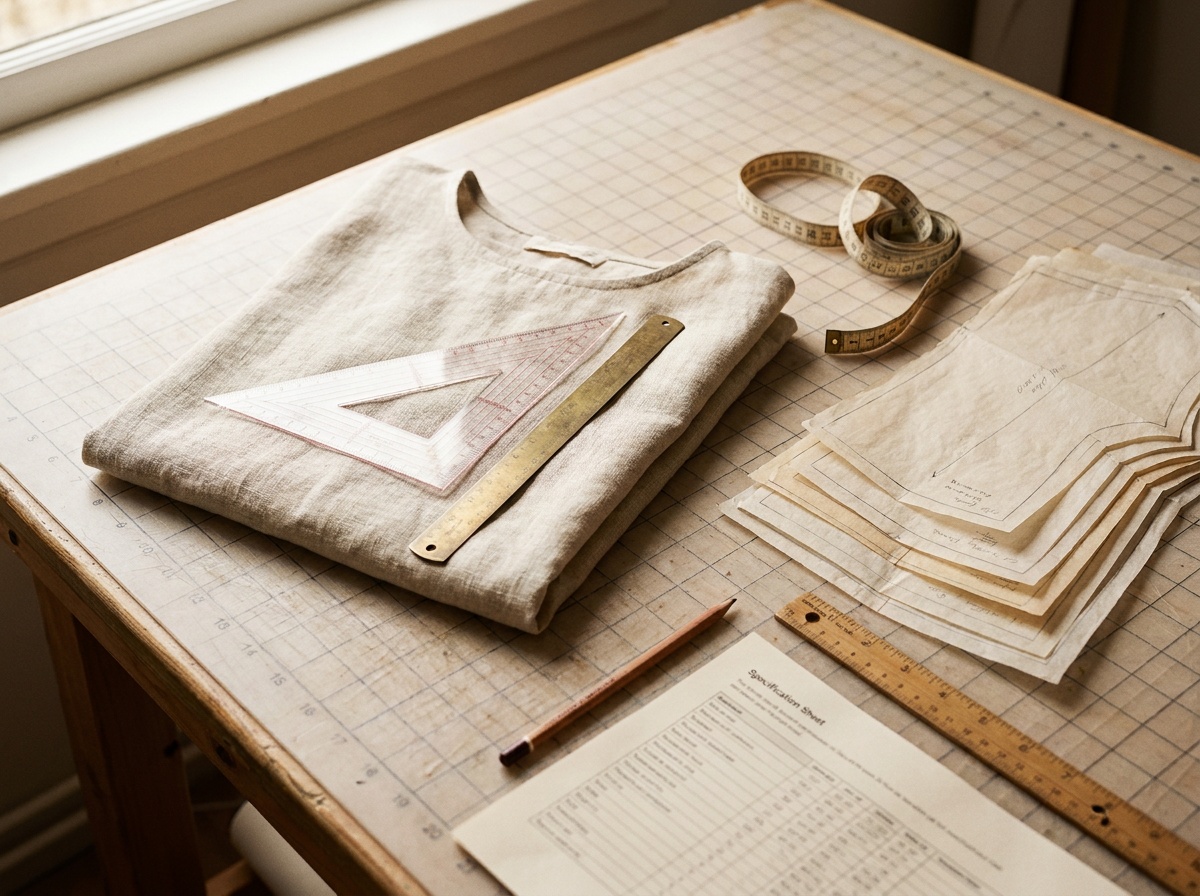
How to Build a Size Chart From Scratch
The three documents a size range needs, how grade rules connect them, and where the numbers come from.

The Garment Sampling Process: Proto, Fit, SMS, PP, TOP
What each garment sampling stage checks, who signs off, and how long the process typically takes before a factory cuts bulk fabric.
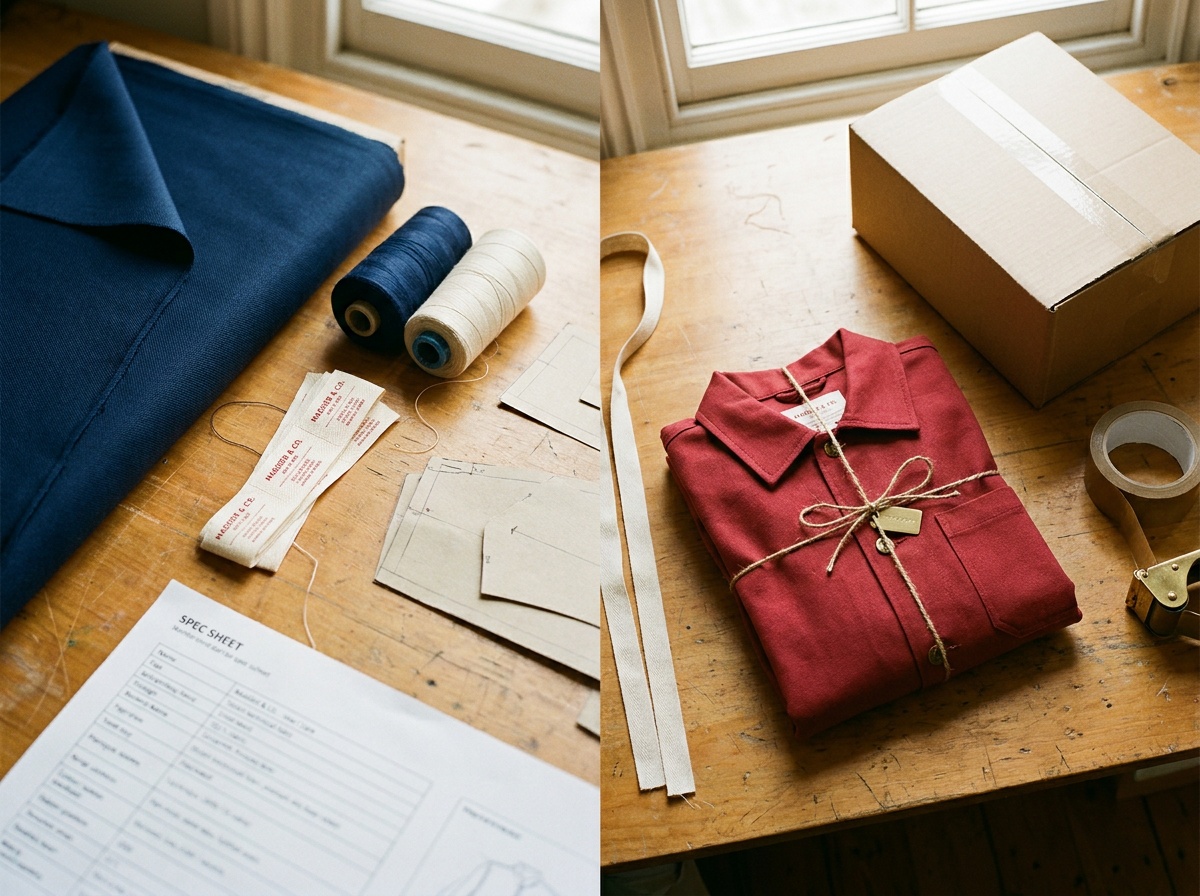
CMT vs FOB vs Full-Package Production
What CMT, full-package, and FOB describe, why they aren't three versions of the same thing, and how to tell which production model and pricing term you're being quoted.
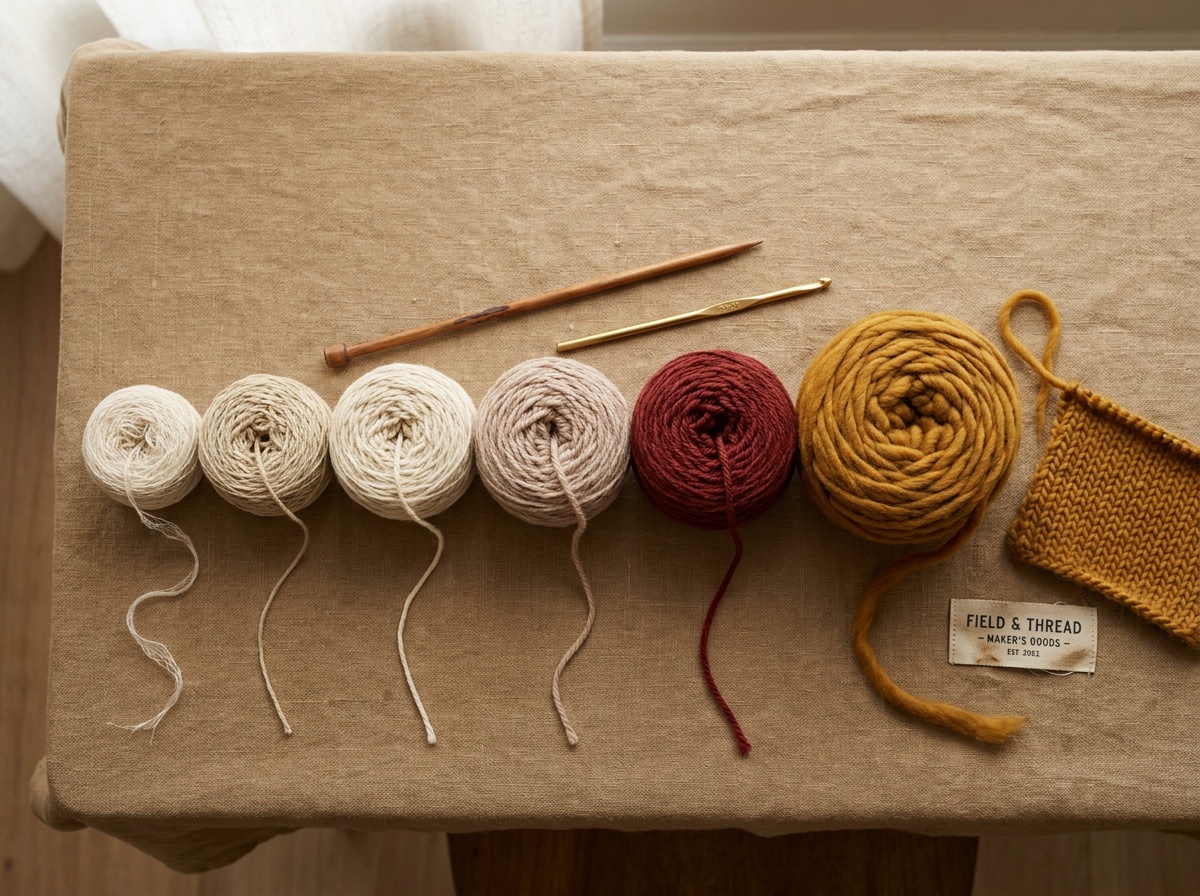
Yarn Weights Explained: The 0-7 Standard Chart
The Craft Yarn Council's 0-7 system in one table, plus how to read wraps per inch when a yarn has no label at all.
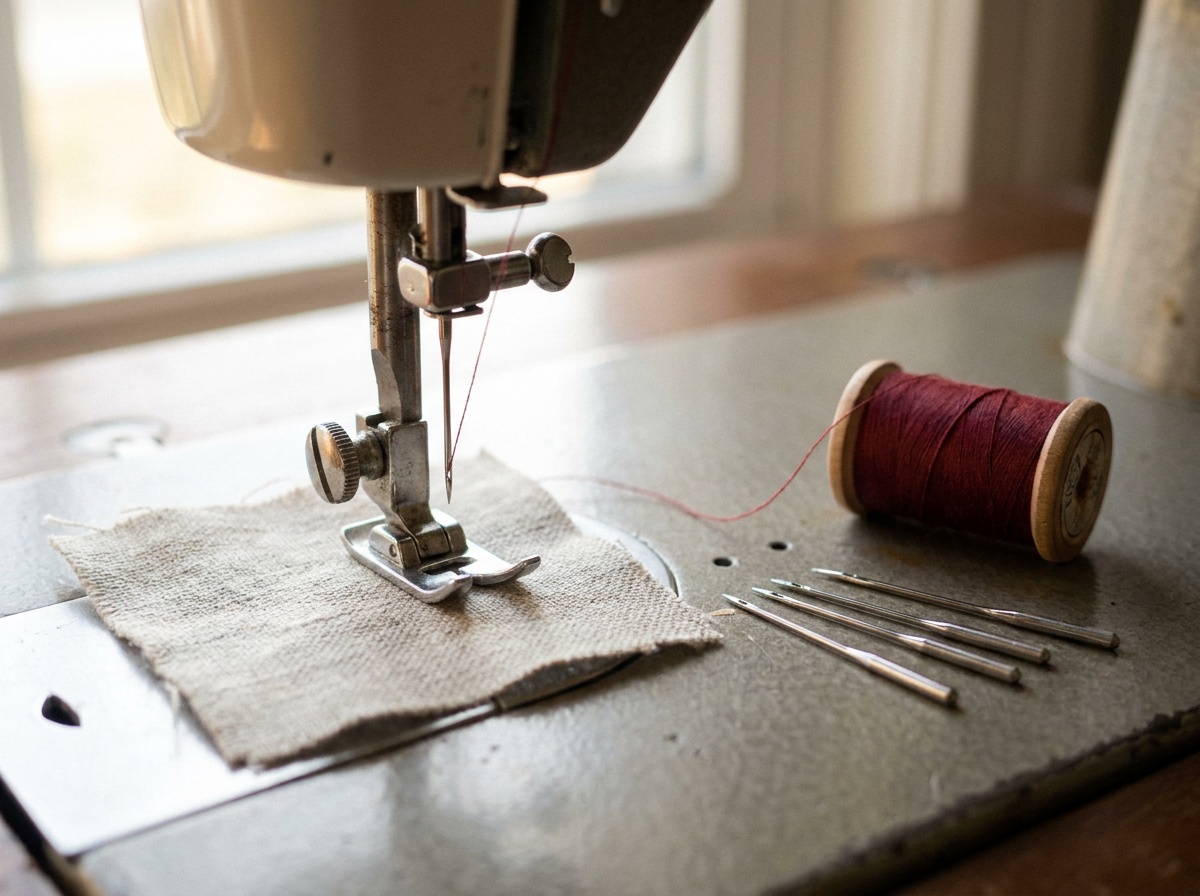
Sewing Machine Needle Guide: Sizes, Types, and What Fits Your Fabric
How needle sizing works, which needle type matches which fabric, and how to tell when it's time to swap the needle out.
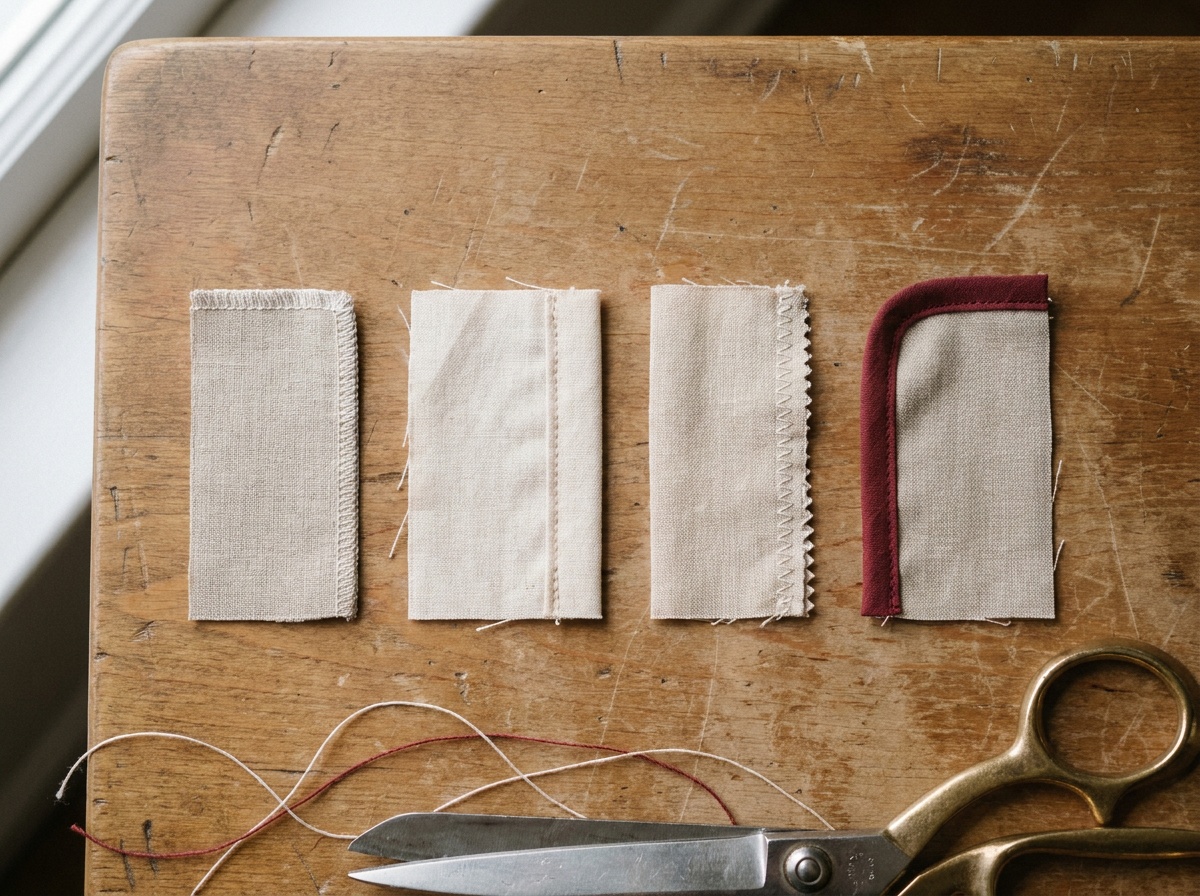
Seam Finishes: A Complete Guide
Seven ways to finish a raw seam edge, what each one is for, and how to pick the right one by fabric weight, tools on hand, and whether the seam will show.
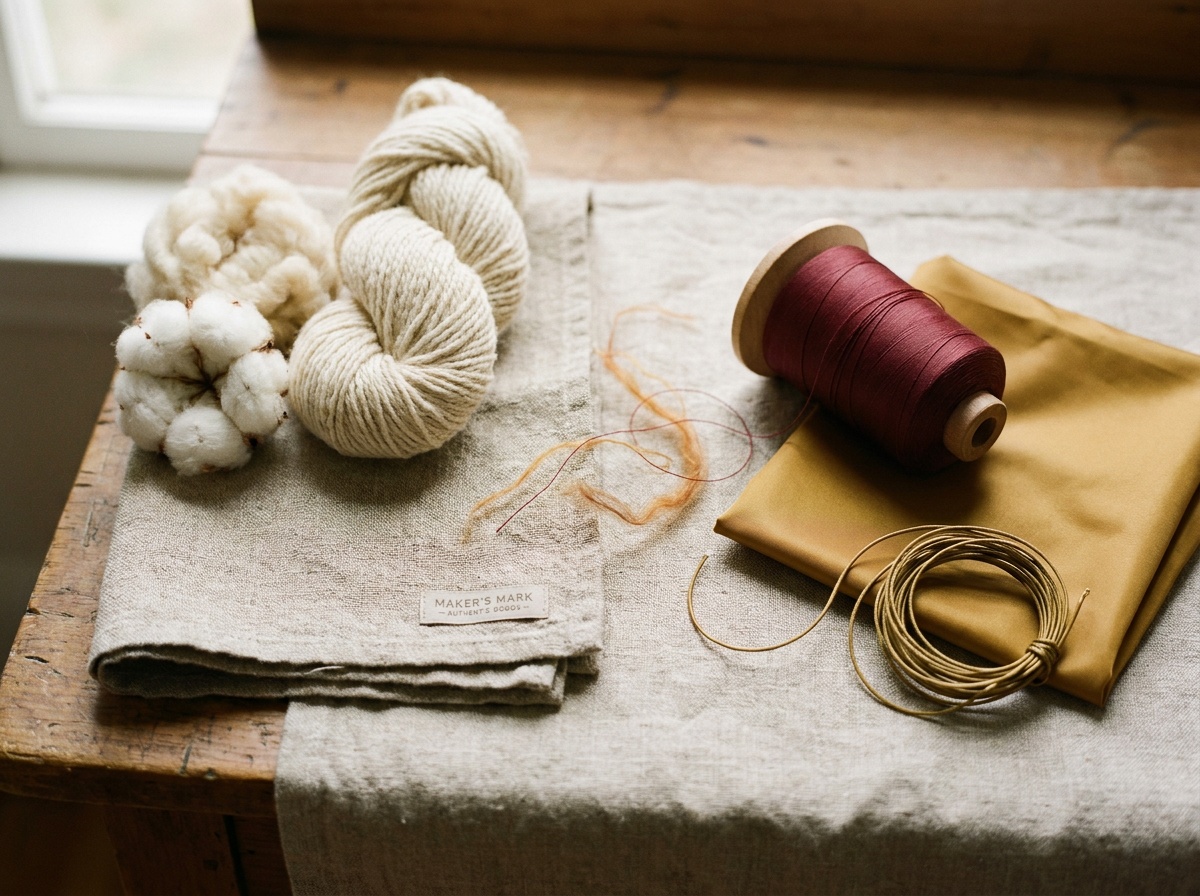
Natural vs Synthetic Fibers: What the Difference Means for Your Fabric
Natural and synthetic fibers behave differently because of where they come from. Here's how to tell them apart and pick the right one for a project.
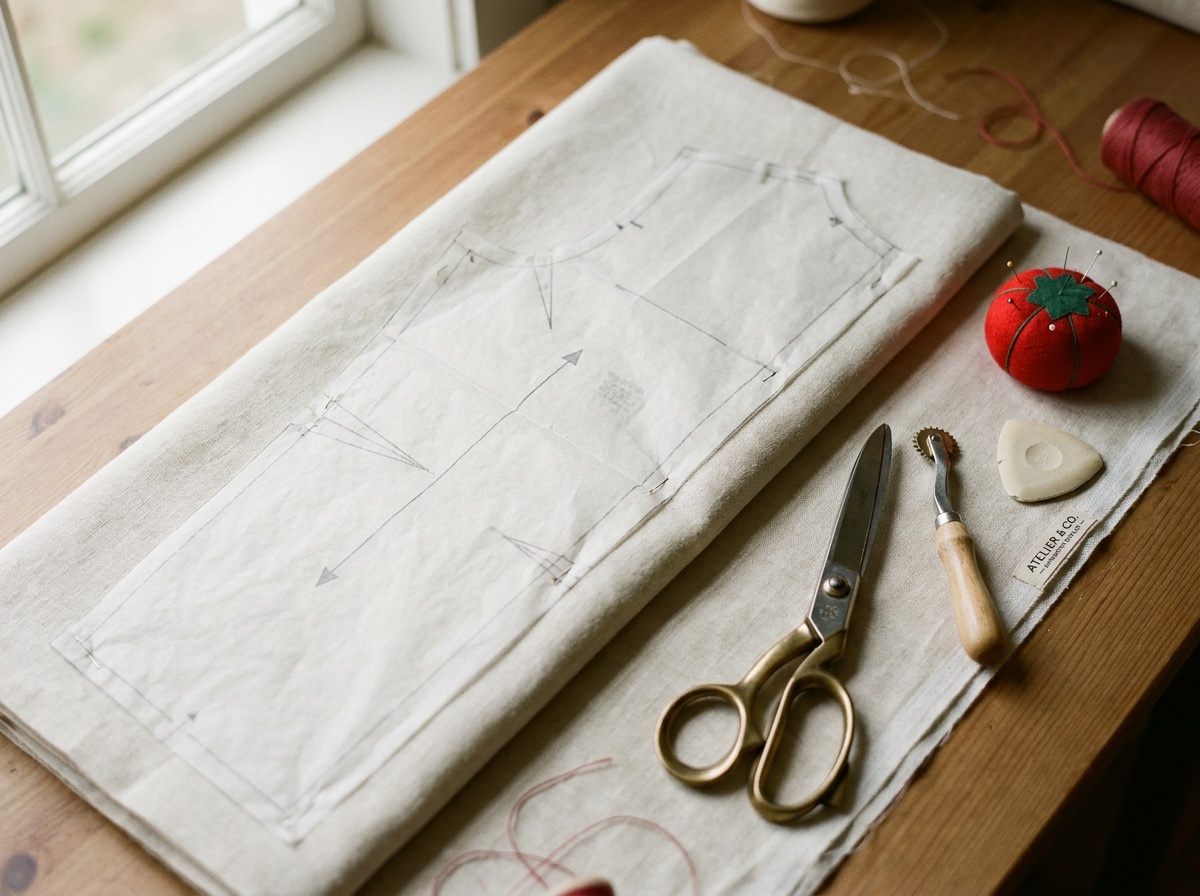
How to Read a Sewing Pattern
The envelope, the size charts, the symbols on the tissue, and the cutting layout, all explained in one place.
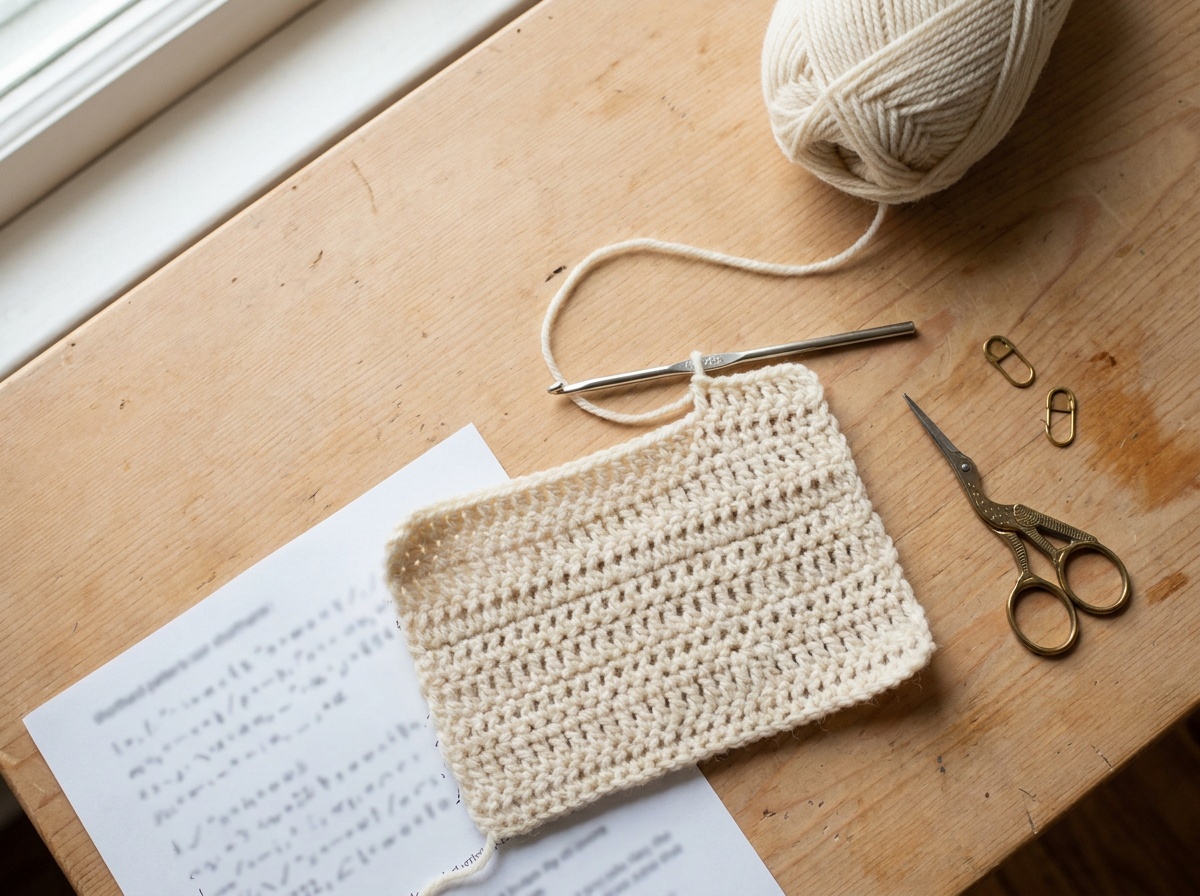
How to Read a Crochet Pattern
Every abbreviation, symbol, and bracket in a crochet pattern explained, plus the US/UK term swap that trips up most makers.

How to Identify Fabric with a Burn Test
A burn test tells you what a mystery fabric is made of by watching how a small swatch reacts to flame, smoke, and ash.
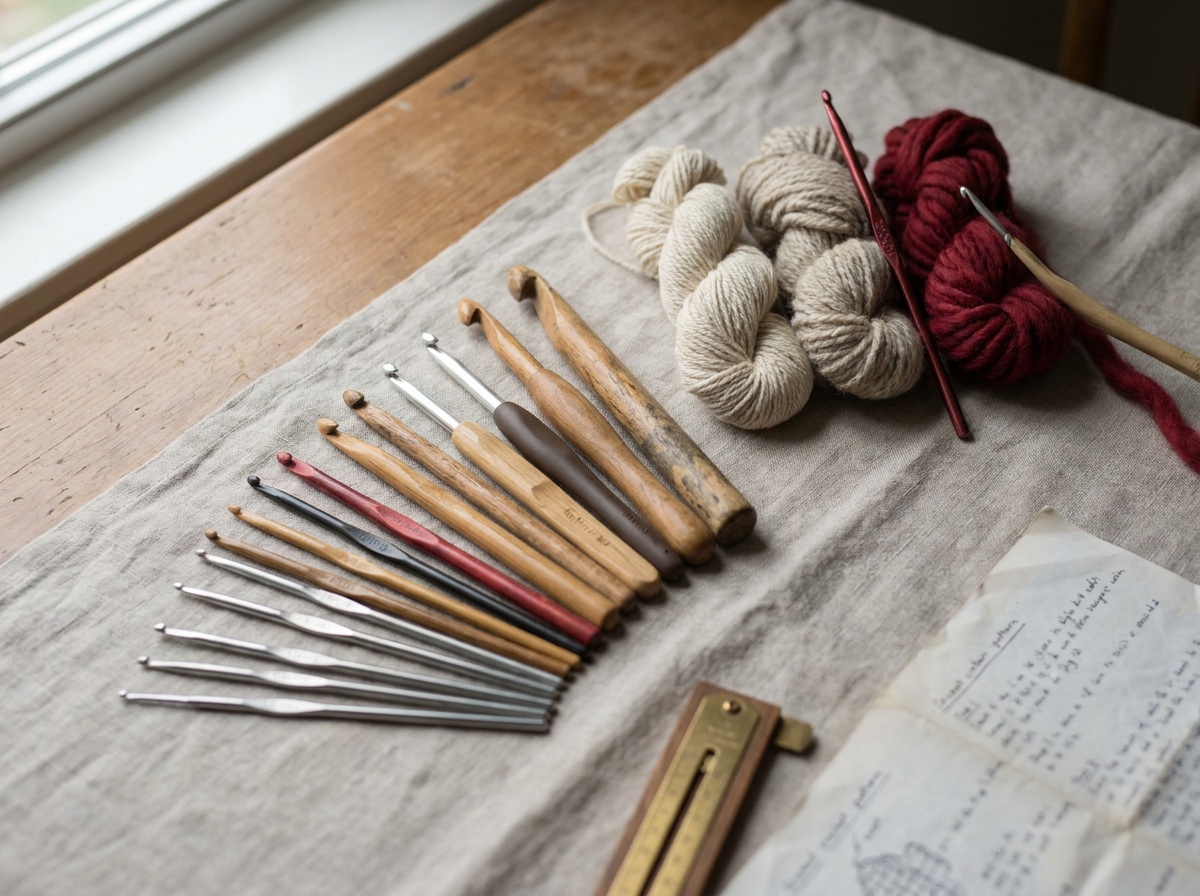
Crochet Hook Sizes: Conversion Chart
The full US, metric, and UK hook size chart in one table, plus which hook to grab for the yarn weight you're holding.
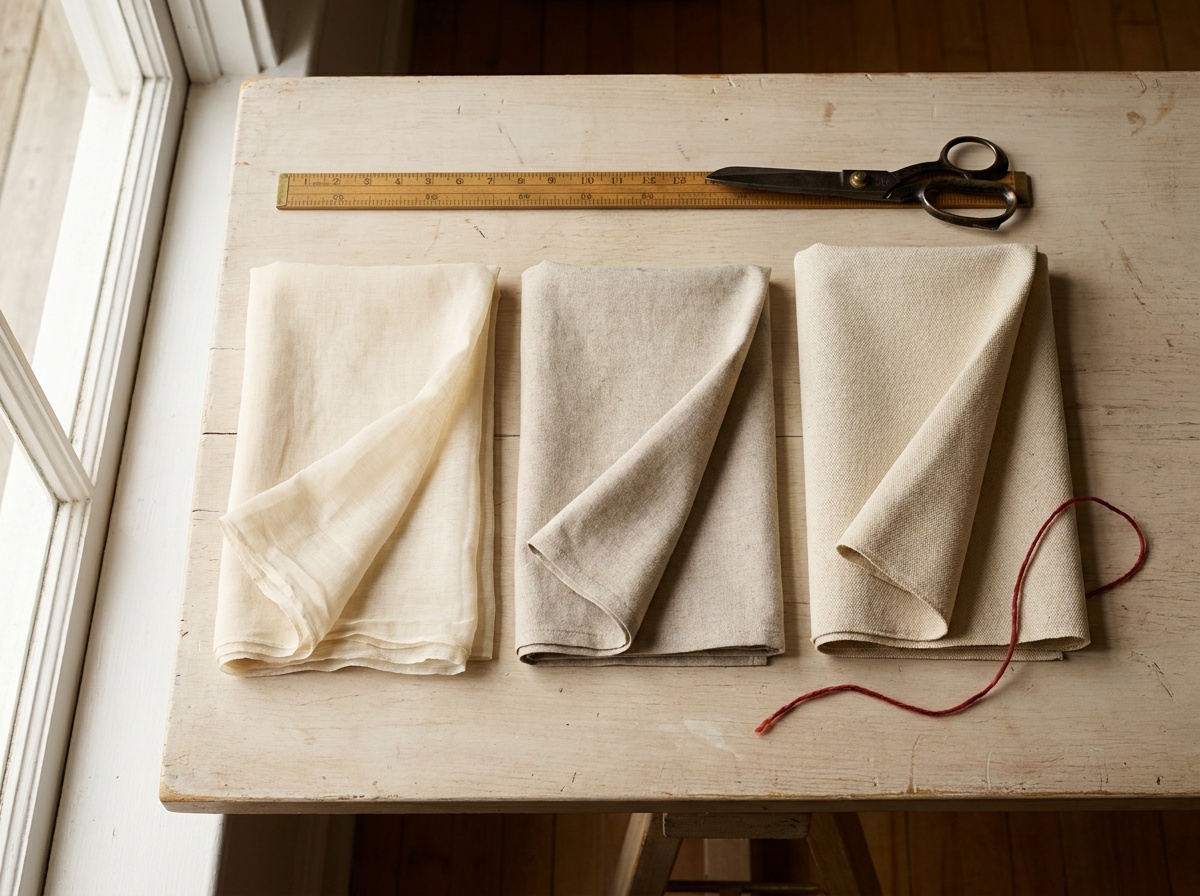
Fabric Weight, Explained: What GSM Means for Drape and Wear
GSM tells you how a fabric will drape, wear, and sew before you cut into it. Here's how to read the number and pick the right weight for your project.
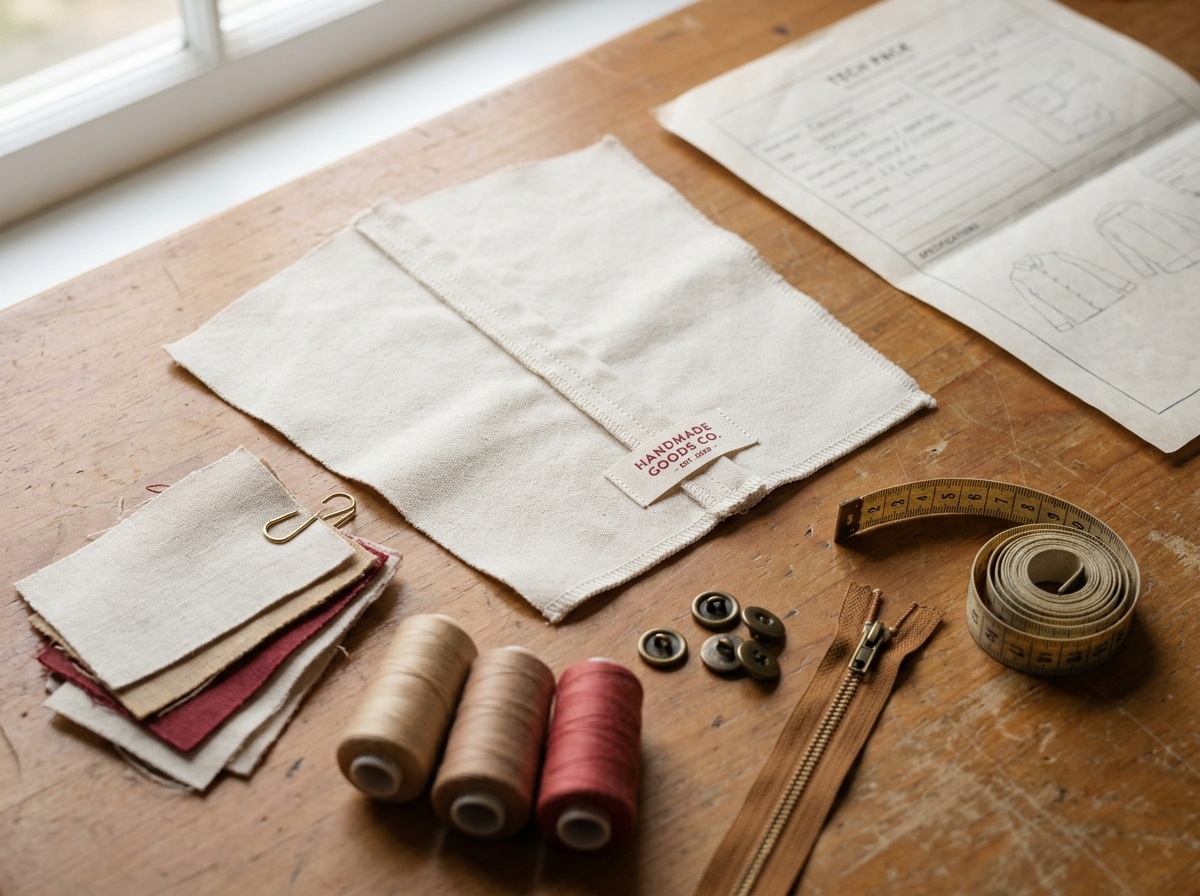
What Is a Tech Pack? The Complete Guide
The blueprint every clothing brand needs before a factory will touch it, with the sections a factory reads and what happens when one is missing.

Best Beginner Crochet Hooks, 2026
Four hook types compared on grip, glide, and price, so your first project isn't fighting the tool as well as the stitch.