Fabric Weight, Explained: What GSM Means for Drape and Wear
GSM tells you how a fabric will drape, wear, and sew before you cut into it. Here's how to read the number and pick the right weight for your project.
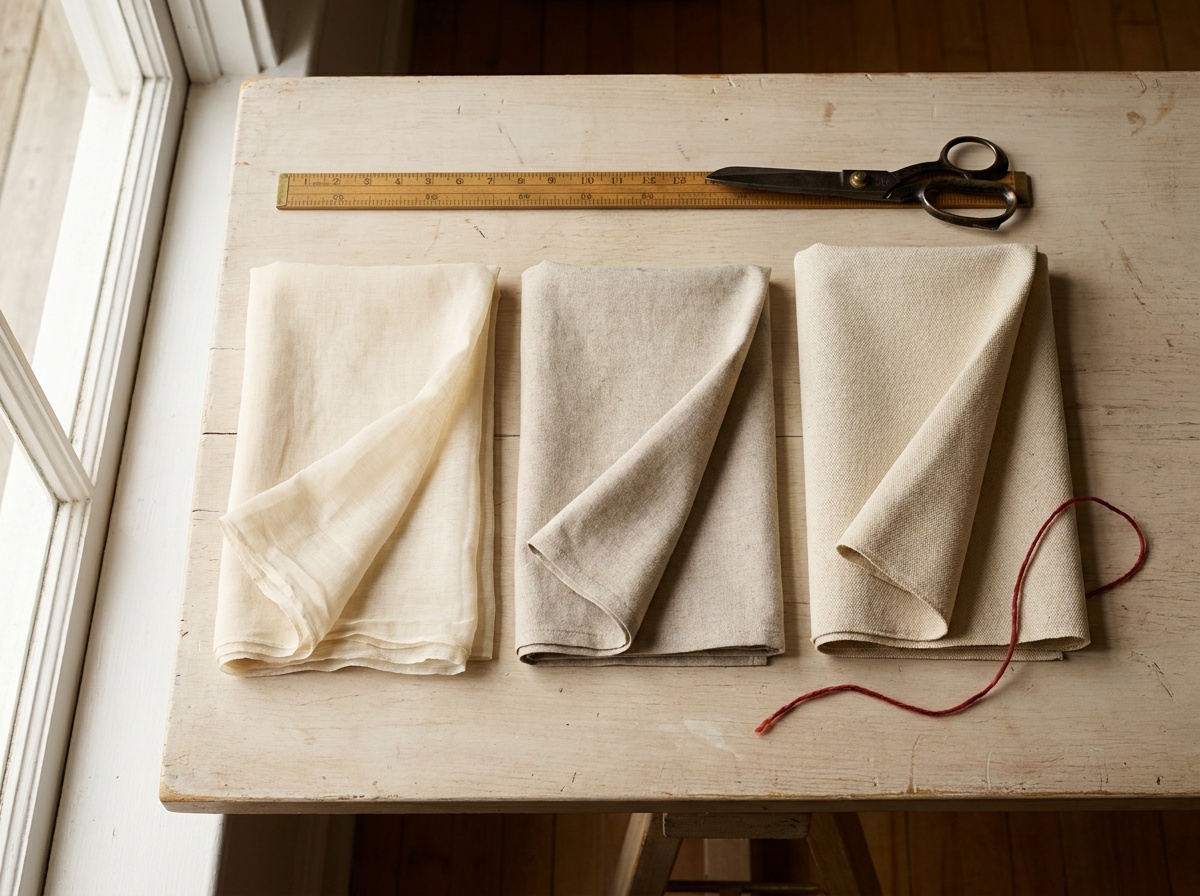
GSM (grams per square meter) measures fabric weight. Lightweight fabrics run under 150 GSM and suit blouses and linings. Midweight fabrics sit between 150 and 300 GSM and cover most shirts, dresses, and trousers. Heavyweight fabrics run over 300 GSM and are built for coats, upholstery, and outerwear.
Two bolts of cotton can look identical on a shelf and behave nothing alike once you cut and sew them. The difference is almost always weight. Once you know the GSM, you know what the fabric wants to become.
Reading the number
GSM stands for grams per square meter. Some US patterns list ounces per square yard instead. Both describe the same thing: how much fiber is packed into a given area of cloth. More fiber means more weight, more structure, and less drape.
| Lightweight | Under 150 g/m² |
| Midweight | 150–300 g/m² |
| Heavyweight | Over 300 g/m² |
| Typical shirting | 120–150 g/m² |
| Typical trouser cloth | 220–280 g/m² |
| Typical coating | 350–500 g/m² |
Weight decides drape
A lightweight voile falls and moves. A heavyweight canvas holds a shape and stands away from the body. Neither is better. The weight has to match what the garment is supposed to do. A dress that should skim the body needs a fabric under 150 GSM. A structured jacket needs something well over 300.
Matching weight to project
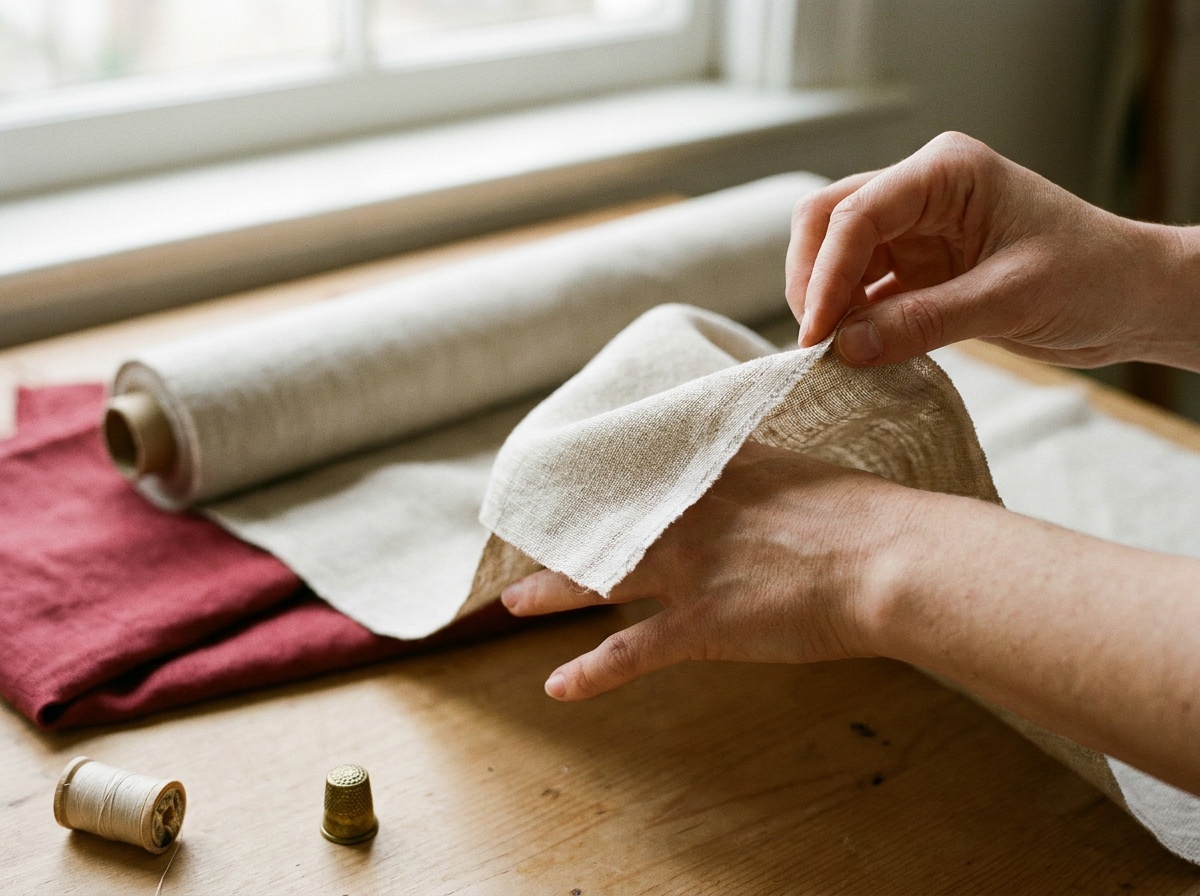
Before you buy, check the pattern envelope or pattern notes for a suggested weight range. If none is given, use the bands above as a starting point and handle a swatch if you can. Fold a corner over your hand: if it falls straight down, it's light. If it holds a soft curve, it's mid. If it stands on its own, it's heavy.
A set of pre-cut swatches at 100, 200, and 350 GSM. Useful for training your hand to judge weight before you commit to a full cut of fabric.
Does GSM tell me anything about stretch?
No. GSM measures weight only. A knit and a woven can share the same GSM and behave completely differently because of fiber and construction, not weight.
Can I substitute a heavier fabric for a lighter one in a pattern?
You can, but expect a different result. A pattern drafted for a 130 GSM rayon will hang stiffer and add bulk at seams if you sew it in 220 GSM cotton.
Where is GSM usually printed?
On the bolt end or the fabric shop's product listing. If it's missing, ask before you buy, especially for online orders where you can't handle the cloth.