Moss Stitch
a double seed stitch worked over a four-row repeat, giving a denser more elongated bumpy texture than seed stitch
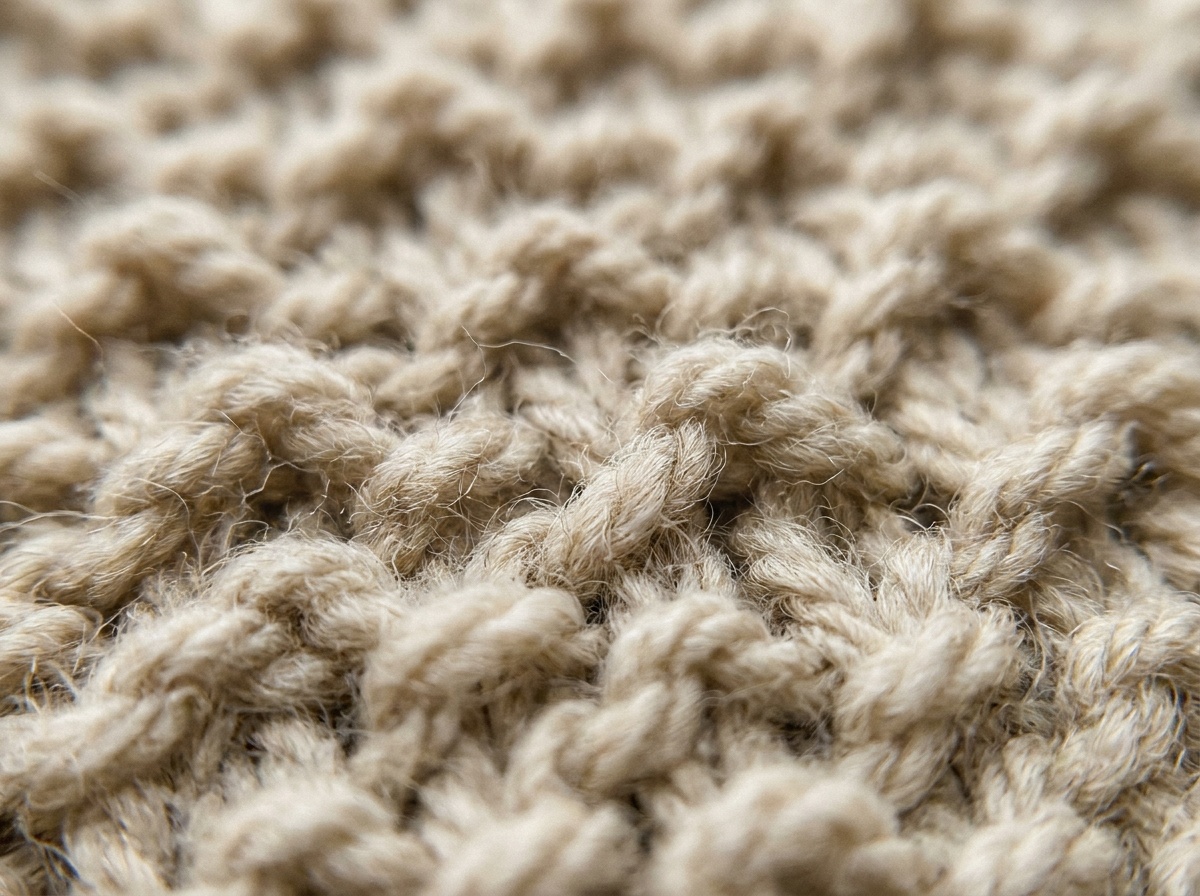
Moss stitch is a knit-purl texture pattern that scatters small raised bumps across a flat, stable fabric. It is a double seed stitch: where seed stitch offsets its knits and purls every single row, moss stitch holds each column for two rows before switching. That one change stretches the bumps vertically and packs them a little closer, so the surface reads as denser and more elongated than seed. British and American sources sometimes swap the names "moss" and "seed," so confirm the row repeat, not the label, before you cast on.
How it is built
Work it over an even number of stitches across a four-row repeat. Rows 1 and 2: (k1, p1) to the end. Rows 3 and 4: (p1, k1) to the end. Rows 1 and 2 place a knit over each purl bump of the previous pair, then rows 3 and 4 offset the column so a purl lands where a knit was. The knits and purls sit side by side in each row and reverse position every two rows, which is what builds the staggered grid of bumps. Read your fabric as you go: a stitch that looks like a smooth V should be knitted, a stitch that looks like a bump should be purled, whatever the written row says.
What the fabric does
Because knits and purls balance out across the surface, moss stitch lies flat and does not curl at the edges, the way stockinette does. That makes it a reliable choice wherever you need a border or an all-over pattern that will not roll. It is fully reversible: the front and back look close to identical, so there is no wrong side to hide. The fabric is thicker and less stretchy than stockinette and firmer than ribbing, with a pebbled hand that holds its shape. Expect it to eat yarn and rows faster than a plain knit; the constant switching between knit and purl also makes it slower to work.
What to use it for
Reach for moss stitch when you want texture that stays flat, looks the same on both sides, and reads as considered rather than plain. It suits blankets and throws, scarves and cowls, dishcloths, and the front bands or yokes of cardigans. As a panel between cables or stockinette it gives the eye a quiet, even field to rest on. It also hides small tension irregularities well, which makes it forgiving for newer knitters moving past their first scarves.
What is the difference between moss stitch and seed stitch?
Seed stitch offsets its knits and purls every row over a two-row repeat. Moss stitch holds each column for two rows before offsetting, over a four-row repeat, so its bumps are more elongated and the fabric reads denser.
Does moss stitch curl?
No. The knits and purls balance across the fabric, so it lies flat and does not roll at the edges, which is why it works well for borders and all-over patterns.
Is moss stitch reversible?
Yes. The front and back look nearly identical, so either side can face out.