Wool Flannel
trousers, blazers, coats, skirts
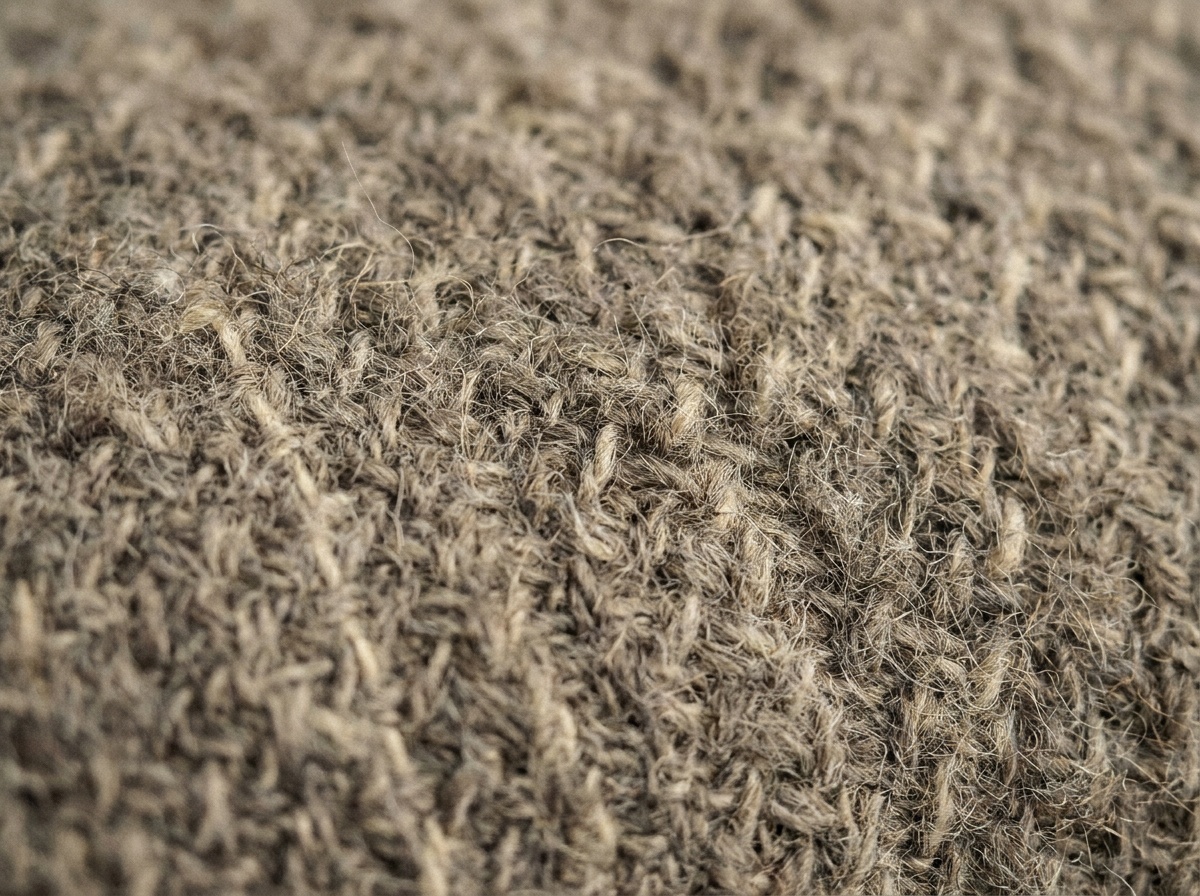
Wool flannel starts as a plain- or twill-woven wool, then goes through milling (a controlled shrinking and felting process) and brushing that raises a soft nap and blurs the weave underneath, the same finishing idea as cotton flannel but on a heavier, more structured base cloth. That milling is what gives wool flannel its dense, warm hand and its slightly fuzzy, matte surface, distinct from the visible weave of a worsted wool suiting. Garment-weight wool flannel runs about 200 to 400 g/m², with lighter weights suiting trousers and blazers and heavier weights suiting coats.
Wool flannel has no stretch and holds a tailored shape well once cut and pressed, thanks to wool's natural ability to be shaped with steam and a press cloth. The brushed nap softens the visible weave and hides construction stitching more than a smooth wool would, which is part of why it reads as soft and casual-formal rather than sharp and businesslike. It resists wrinkling reasonably well for a wool and holds heat effectively, which is why it's a cold-weather staple.
Wool flannel is the standard for tailored trousers, blazers, skirts, and overcoats meant for cool weather, especially where a soft, matte finish is wanted over a crisp worsted wool. It presses and shapes well with steam, which suits tailoring techniques like easing and blocking, but the nap sheds lint when cut, so cleaning the machine and pressing surface after cutting helps keep other fabrics clean. Underlining is common in coats and structured jackets to help the flannel hold its shape over time.