Wool Crepe
dresses, trousers, skirts, tailored blouses
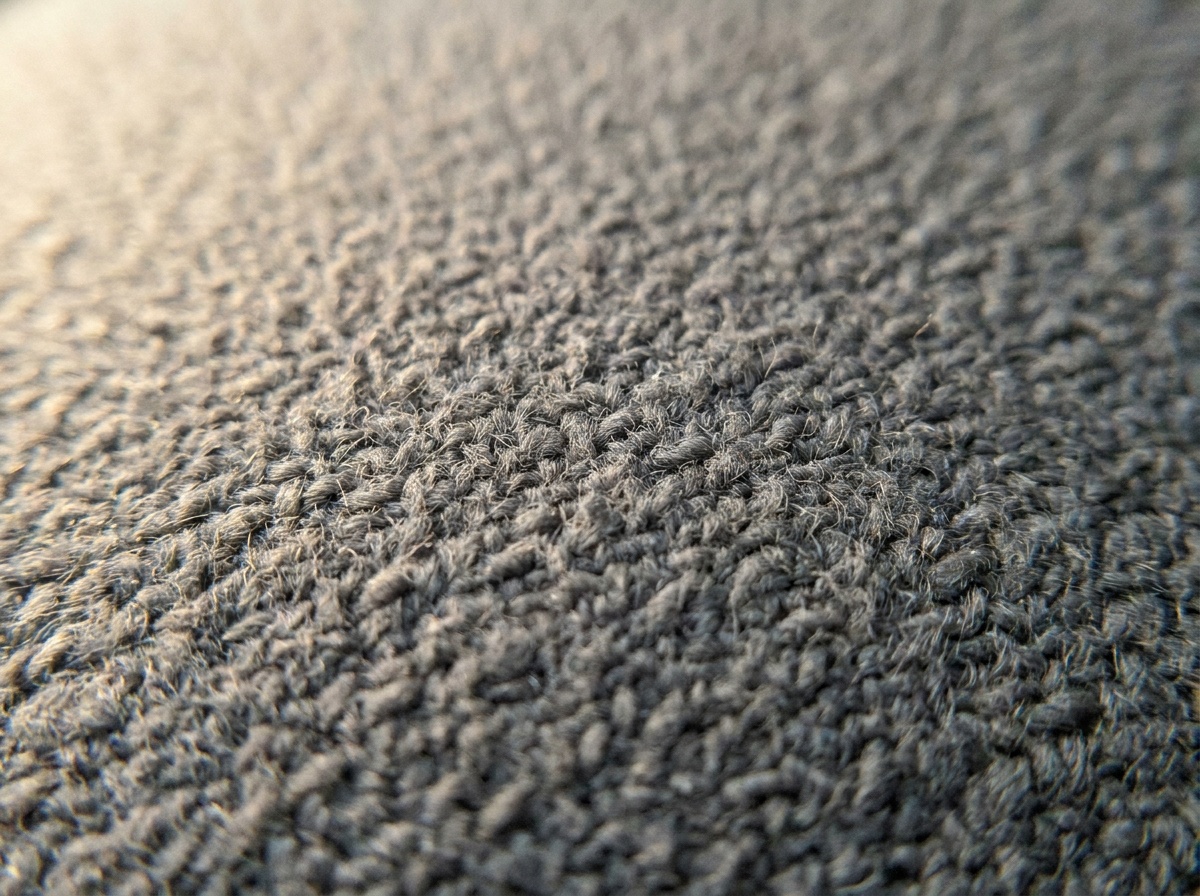
Wool crepe gets its texture from how the yarn is spun, not from a special weave: the warp and weft yarns are given a tight, alternating twist before weaving, and that twisted yarn contracts unevenly during finishing to create the fine, pebbly surface crepe is known for. The resulting cloth has a matte finish (crepe yarns scatter light instead of reflecting it) and a fluid drape despite having body and some structure. Garment-weight wool crepe runs about 150 to 250 g/m², light enough to drape but substantial enough to tailor.
Crepe has little to no stretch on its own, though a small percentage of elastane is sometimes added for ease of movement in fitted garments. It drapes softly rather than holding a crisp edge, but it holds a molded shape (like a dart or a curved seam) well, which is why it's favored for garments with fitted, sculptural lines. The high-twist yarn structure means crepe can be prone to seam puckering if understitched with the wrong tension, and it presses best with a press cloth and steam rather than direct high heat.
Wool crepe is a go-to for tailored dresses, trousers, and skirts that need drape and structure together, and it's a common choice for eveningwear and formal separates. It's a slippery, textured fabric to cut and handle, so pattern weights instead of pins for cutting and a fine needle with a slightly reduced stitch tension help avoid puckering. Underlining or interfacing at stress points helps it hold its shape in tailored garments.