Flannel
shirts, pajamas, sheets, linings
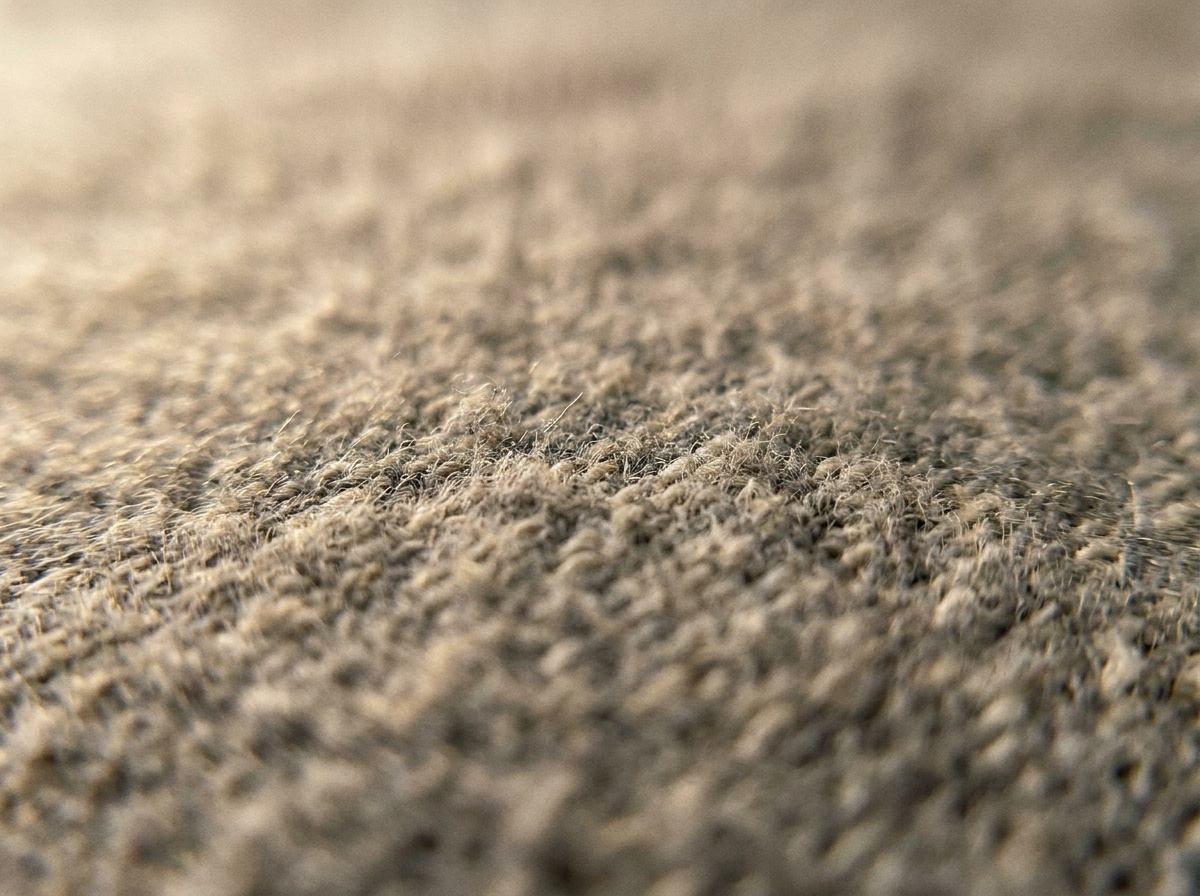
Cotton flannel starts as an ordinary plain- or twill-woven cotton, then goes through a brushing process (napping) that raises the fine fiber ends on one or both sides of the cloth into a soft fuzz. That brushed nap is what traps air and gives flannel its warmth and its soft, slightly hazy surface, and it's also why the weave underneath is harder to see than on an unbrushed cotton. Garment-weight cotton flannel runs about 150 to 300 g/m², with double-napped (brushed both sides) flannel sitting at the heavier end.
Flannel has no stretch and behaves close to whatever weave sits underneath the nap, but the surface fuzz softens sharp pressing and hides fine topstitching more than a smooth cotton would. It's warm for its weight because the raised fibers hold air near the body, which is why it's standard for cold-weather shirts, pajamas, and sheeting. The nap sheds lint and can pill with wear and washing, more so on cheaper, loosely woven flannel than on a tightly woven, well-brushed one.
Cotton flannel is the standard choice for casual shirts, pajamas, robes, and bedding, and it works as a warm lining fabric for jackets and vests. It sews like the plain or twill cotton underneath the nap, so it isn't a difficult fabric, but the brushed surface can shed fibers into the machine, so a lint brush and a quick clean of the bobbin area after a project helps. Preshrinking matters here too, since flannel can shrink and the nap can compress on the first wash.