Garter Rib
garter ridges combined with columns of rib for a textured reversible fabric that lies flat and adds subtle stretch
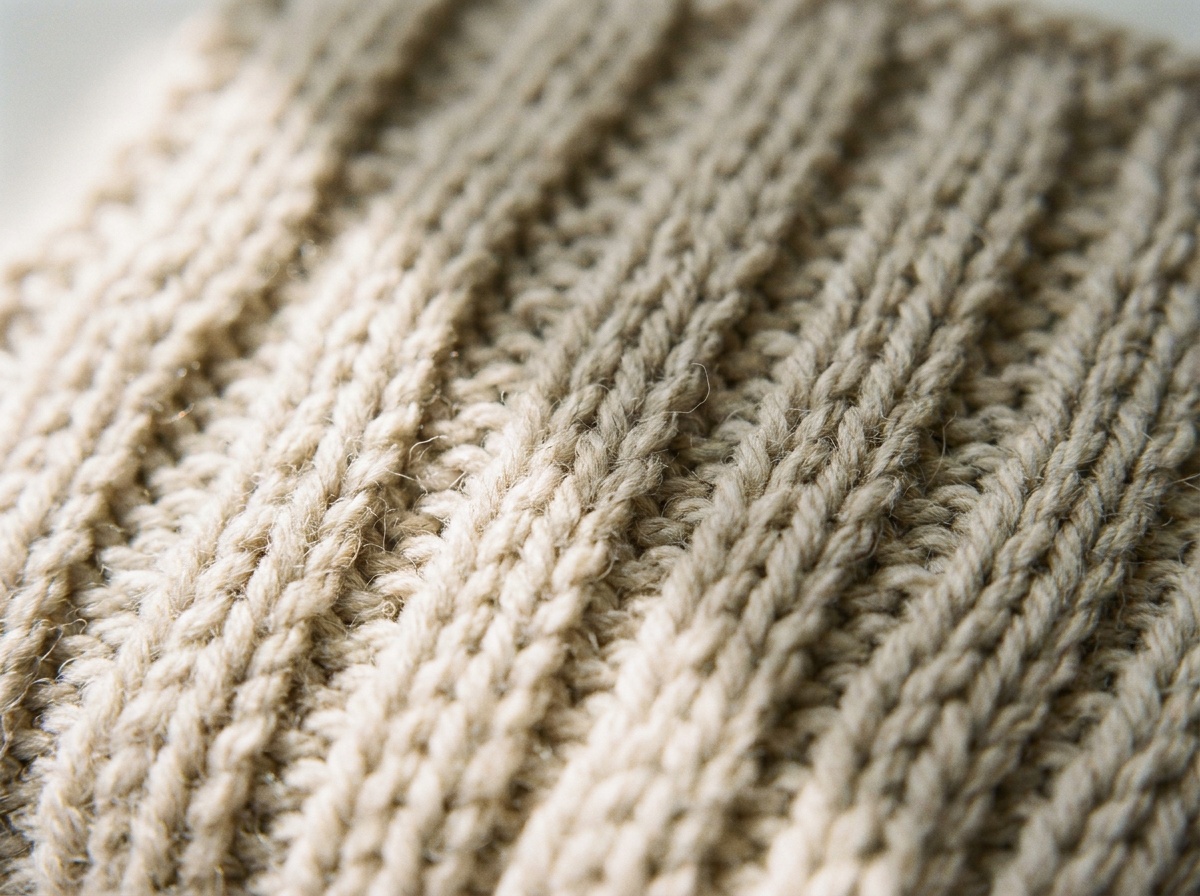
Garter rib stacks the ridged rows of garter stitch on top of the vertical columns of ribbing. You get a fabric that pulls in gently like rib but sits flat like garter, with a bumpy texture that reads the same from both sides. It's a step past the two stitches most people learn first, and it uses nothing but knits and purls, so it's a good early pattern once you can switch between the two mid-row.
How it's built
Garter rib works over a multiple of 2 stitches on a plain two-row repeat.
- Row 1 (right side): knit every stitch across.
- Row 2 (wrong side): knit 1, purl 1 to the end of the row.
The knit row lays down a garter ridge. The alternating knit-and-purl row starts the rib columns. Because you only rib on every other row, the ribbing is broken up by ridges instead of running in unbroken vertical lines, which is what gives the fabric its texture. Keep your column stitches lined up: on the ribbing row, the knits should sit over the knits and the purls over the purls from two rows below.
What the fabric does
The fabric is reversible. Both faces show the same combination of ridges and broken rib, so there's no wrong side to hide, which makes it a sound choice for scarves, cowls, and anything seen from both sides. It has moderate stretch: more give than plain garter, less than a true 1x1 rib, and it relaxes back rather than staying stretched. It lies flat off the needles instead of curling the way stockinette does, so you can skip a border if you want one less step.
It knits up thicker and squishier than stockinette at the same gauge, since the mix of knits and purls pulls the rows in and adds loft. That density makes it warm and gives it a bit of body, which is useful for a dishcloth or a winter accessory but heavier than you'd want for a drapey garment.
When to use it
Reach for garter rib when you want texture and a flat edge without much fuss: scarves, dishcloths, washcloths, and borders on a plainer piece. It's a good way to add interest to a first project past garter and rib, and the reversible surface means you don't have to plan around a public side. Because it draws in, measure your gauge on a relaxed swatch rather than a stretched one so your finished width matches the pattern.
Is garter rib the same as broken rib?
They're close relatives and the names are sometimes used loosely. Both alternate a plain row with a rib row to break up the ribbing. Broken rib usually pairs a full knit-purl rib row with a plain purl or knit row; garter rib leans on the garter ridge as the plain row. Check the row-by-row instructions in your pattern rather than the name.
Will it curl at the edges?
No. The garter ridges balance the fabric, so it lies flat like garter stitch instead of curling like stockinette. That's part of why it works well for scarves and borders.
Does it matter if I have an odd number of stitches?
This two-row repeat is written over a multiple of 2. With an odd stitch count the knit-purl row won't line up over the columns below, so cast on an even number to keep the rib stacking cleanly.