Broken Rib
a rib worked on one row and purled back on the next, breaking the columns into a soft textured near-rib that lies flatter
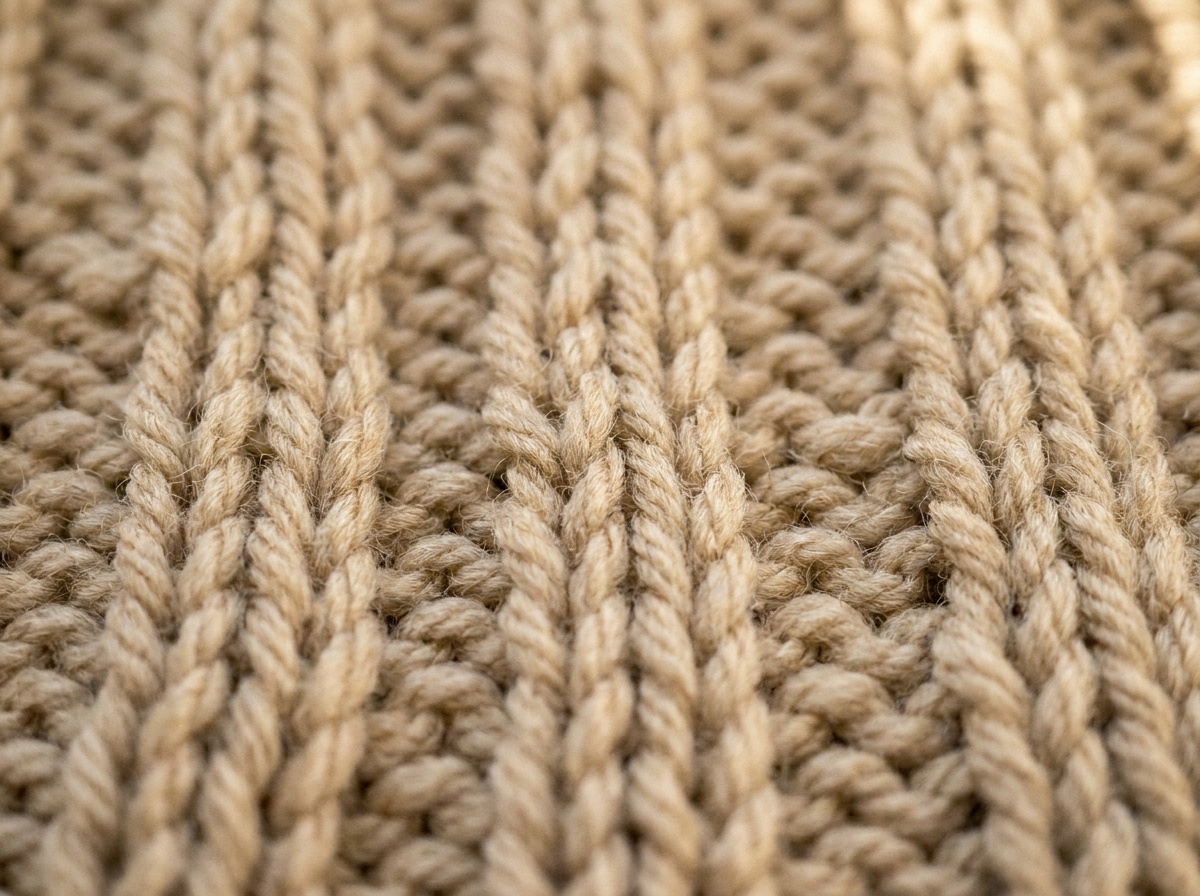
Broken rib is what happens when you work a rib on one row and then purl straight back on the next instead of ribbing it. The knit-and-purl columns still form, but the purl-back row interrupts them, so you get a softer, dotted texture that sits between a true rib and garter. It reads as a rib from a distance and behaves less like one up close.
How it is built
Start with one-by-one rib on the right side: knit one, purl one, across the row. On the wrong side, purl every stitch. That second row is the break. Because you are not stacking a purl on top of every purl, the ribbing never locks into deep vertical channels the way one-by-one rib does. Half the columns are broken by a purl bump every other row, and that is where the name and the texture come from. The stitch count stays the same as plain rib, so it drops into any pattern that already asks for one-by-one rib without recalculating.
What the fabric does
The purl-back row kills most of the rib's spring. Broken rib pulls in a little at the cast-on but nothing like the accordion squeeze of one-by-one rib, so it lies close to flat and does not clamp around a wrist or neck. It is reversible in the sense that both faces are worked and presentable, though the two sides are not identical: one shows more of the knit columns, the other more of the purl texture. The fabric is a touch thicker and squishier than stockinette because the purl bumps add loft, and it resists curling far better than plain stockinette does, which is the practical reason people reach for it.
What to use it for
Scarves and cowls are the natural home for broken rib: it lies flat, shows the same friendly texture on both sides, and stays interesting in a single color without any colorwork. It also works as an all-over stitch for cowls worked flat or in the round, and as a border on blankets where a curling stockinette edge would be a problem. Any yarn takes it well; a smooth worsted or DK shows the broken columns most clearly, while a woolier yarn softens the texture into something closer to a heathered garter.
How is broken rib different from one-by-one rib?
One-by-one rib ribs every row, so the columns lock together and the fabric squeezes in. Broken rib purls back on alternate rows, which interrupts the columns, kills most of the stretch, and leaves a flatter, softer texture.
Does broken rib curl?
Much less than stockinette. The purl-back rows balance the fabric, so it lies close to flat, which is why it makes a good edge or an all-over scarf stitch.
Is it reversible?
Both faces are worked and look finished, so yes for most purposes, but the two sides are not mirror images: one shows more knit columns, the other more purl texture.