Feather and Fan
an old shale lace of paired yarn-overs and decreases that scallops the edge and forms soft rippling fans, a classic first lace
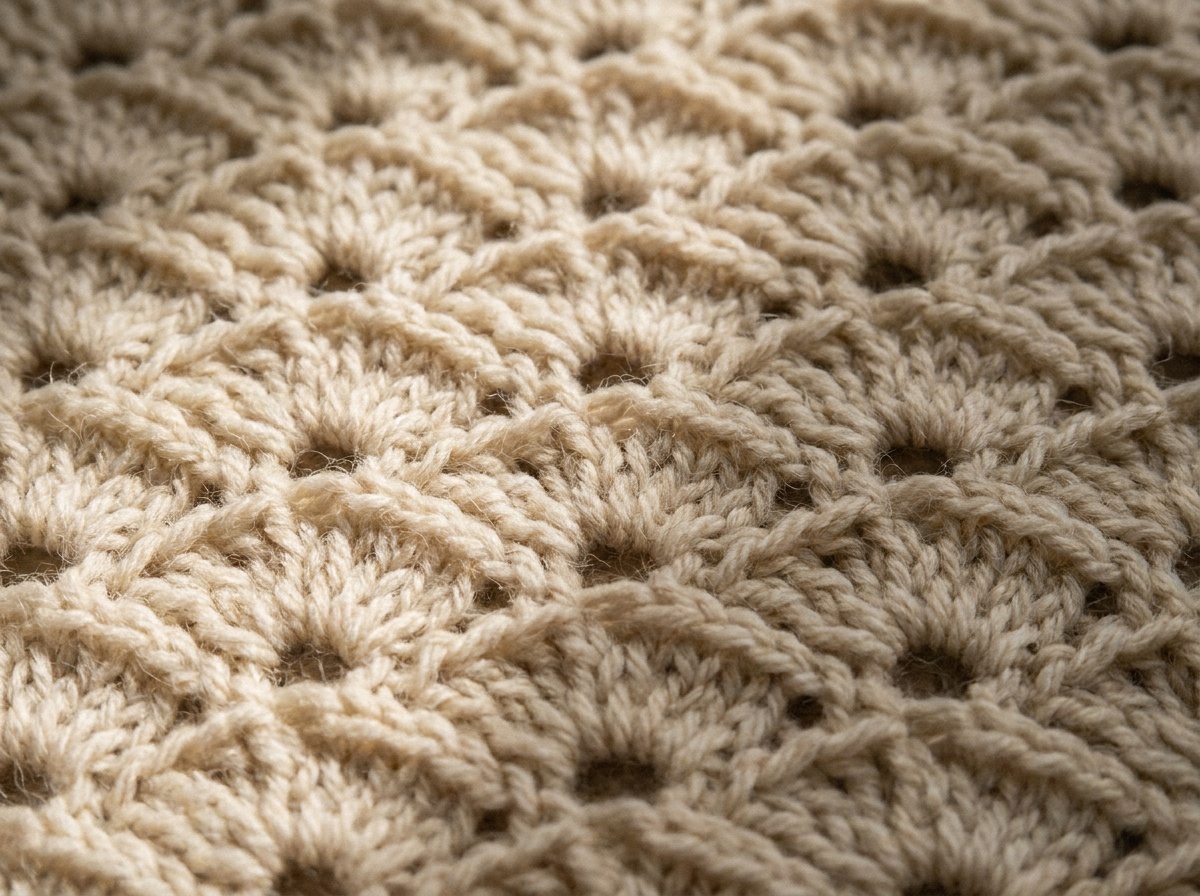
Feather and Fan is an old Shetland lace, sometimes written Old Shale, that turns paired yarn-overs and decreases into wide rippling fans. It is the pattern most knitters meet first when they move from plain stockinette into lace: the repeat is short, easy to memorize, and forgiving if you lose count, since the eyelets tell you where you are. The lace lives on one row out of four, so most of the work is plain knitting.
How it is built
The classic repeat runs over a multiple of 18 stitches across four rows. Row 1 is knit, row 2 is purl, row 4 is knit, and all the shaping happens on row 3: work (k2tog) three times, (yo, k1) six times, (k2tog) three times and repeat that across. The six yarn-overs add stitches; the six k2tog decreases take them back out, so the stitch count stays constant. What shifts is where the fabric is wide and where it is pinched. The yarn-overs open a run of eyelets at the crown of each fan, and the stacked decreases draw the fabric in at the valleys between fans.
Because the increases and decreases sit in fixed columns row after row, the stitches lean and the fabric ripples into repeating arcs. Stack more repeats vertically and the arcs line up into vertical waves, which is where the "feather" reading comes from.
What the fabric does
The cast-on and bind-off edges scallop on their own, no blocking trick required: the yarn-over columns push the crest of each fan up and out while the decrease columns pull the valleys down. That built-in scallop is why the pattern shows up so often on shawl edges and blanket borders.
The fabric is airy and drapes well, with real crosswise stretch through the eyelet rows. It is not reversible in the strict sense, but the wrong side is presentable, so it works for scarves and wraps seen from both faces. Worked flat in one color it reads as texture; worked in stripes that change on the knit rows, the color line bends along the fans and the ripples become the whole point.
What to use it for
Reach for Feather and Fan when you want lace that looks intricate but reads simple to knit: baby blankets, wraps, scarves, and shawl borders. It suits smooth fingering to DK yarn where the eyelets stay open and the drape carries, and it blocks out beautifully, since stretching the fabric under tension sets the fans and opens the lace. It is a sound first lace project and an easy way to use up several partial skeins, one color per stripe.
Is Feather and Fan the same as Old Shale?
They are the same family of Shetland lace. Old Shale is the traditional Shetland name; Feather and Fan is the common English name for the four-row version with six yarn-overs and six decreases per repeat.
Why does my edge scallop even without blocking?
The yarn-over columns widen the fabric at the fan crests and the paired decreases draw it in at the valleys. That difference in width along the cast-on and bind-off is what makes the edge wave.
How do I keep the stitch count right?
Each repeat pairs six yarn-overs with six k2tog, so increases and decreases cancel out. If your count drifts, you have missed a yarn-over or an extra decrease; the eyelets on the previous lace row show where.