Chevron Stitch
regularly spaced increases and decreases push the knitting into a zig-zag chevron, striking worked in stripes
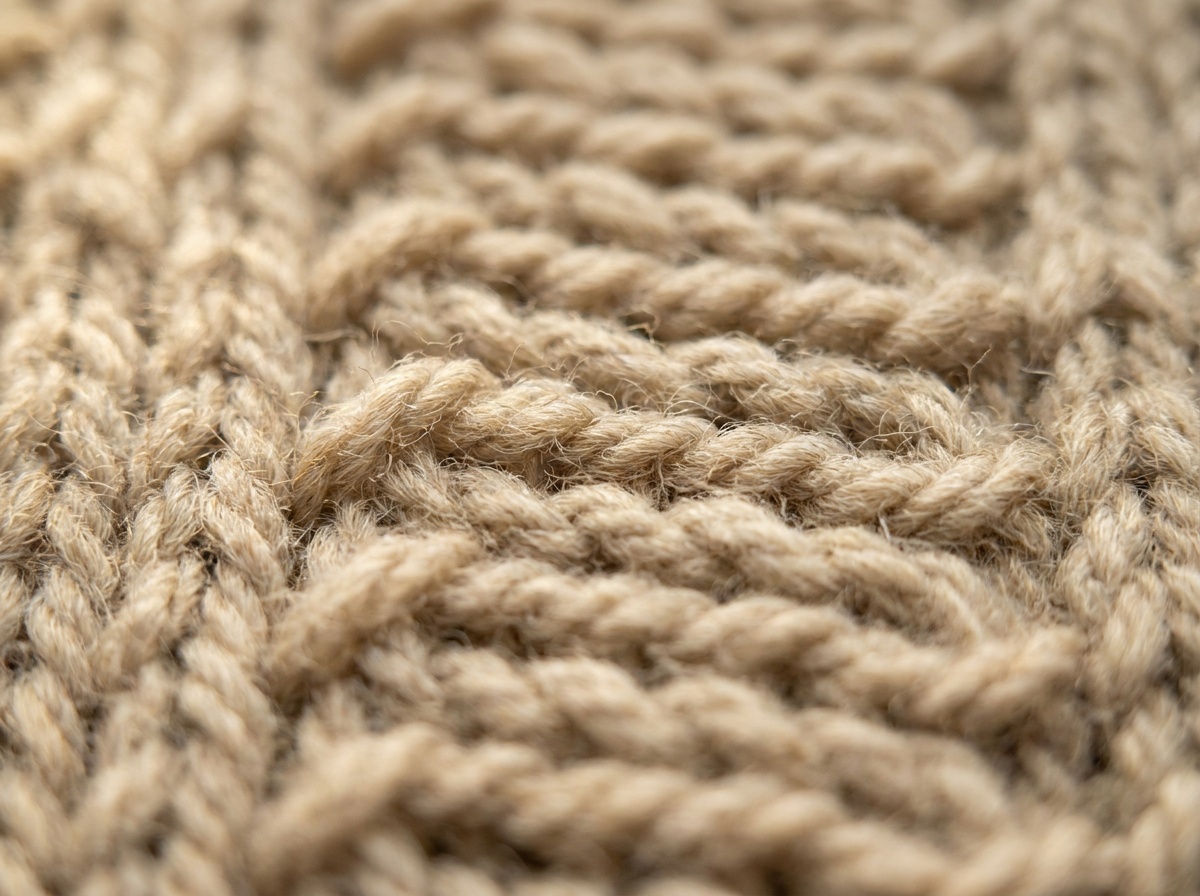
Chevron stitch turns a straight row of knitting into a run of peaks and valleys by adding and removing stitches at fixed points. The stitch count stays constant across the row, so the fabric grows straight up even though its top and bottom edges scallop into a zig-zag. It shows off best in stripes: each color change traces the chevron line, and the wave reads at a glance.
How it is built
You work the chevron with two moves spaced evenly across the row. At the top of each peak you increase, usually a pair of increases worked into one point or on either side of a center stitch. At the bottom of each valley you decrease, most often a double decrease that eats two stitches at once. Between them you knit plain. The increases lean the fabric one way and the decreases lean it back, and because they trade off one for one, the total stitch count never changes.
A common working repeat looks like this: a double decrease at the valley, a run of knit stitches climbing to the peak, two increases (a yarn over or a make-one on each side of a peak stitch), then knit stitches falling to the next valley. The classic ripple version uses yarn-over increases, which leave a line of small eyelets up each peak. Swap in a lifted or make-one increase and the fabric goes solid, no holes. On garter chevron you knit every row; on stockinette chevron you knit one row and purl the return.
What the fabric does
Chevron worked in stockinette curls at the edges like any stockinette, so it wants a garter or seed border to lie flat. Garter chevron and the eyelet ripple versions sit flat on their own. The fabric has moderate crosswise stretch and a strong directional grain: the peaks pull the cast-on and bind-off edges into points, which is why finished pieces have that scalloped top and bottom rather than a clean straight edge.
Reversibility depends on the base. A stockinette chevron shows the wave clearly on the front and a bumpy purl wave on the back. A garter chevron reads nearly the same on both faces, which makes it a good pick for scarves and blankets that show. Thickness tracks the base stitch too: garter is thicker and squishier, stockinette thinner and more drapey.
What to use it for
Chevron is a blanket-and-scarf stitch first. Wide, flat pieces give the wave room to repeat and read, and stripes make it sing, so it is a favorite for stash-busting projects that rotate through leftover yarn. The scalloped edges suit baby blankets, shawls, and cowls where a straight hem would look plain. It also works as an allover pattern in garments when you want visible movement, though the pointed edges mean you plan seaming and shaping around the wave rather than through it.
Why do my chevron edges scallop instead of running straight?
That is the stitch working as intended. The increases at each peak and decreases at each valley pull the cast-on and bind-off into points. If you want a flat edge, work a few rows of garter or add a straight border.
How do I get chevron without the eyelet holes?
Replace the yarn-over increases with lifted or make-one increases. Yarn overs leave the decorative eyelets of a ripple pattern; closed increases give a solid chevron.
Does the stitch count change across a chevron row?
No. Each increase is matched by a decrease, so the count stays constant and the fabric grows straight up while the edges wave.