Linen Suiting
jackets, trousers, structured dresses
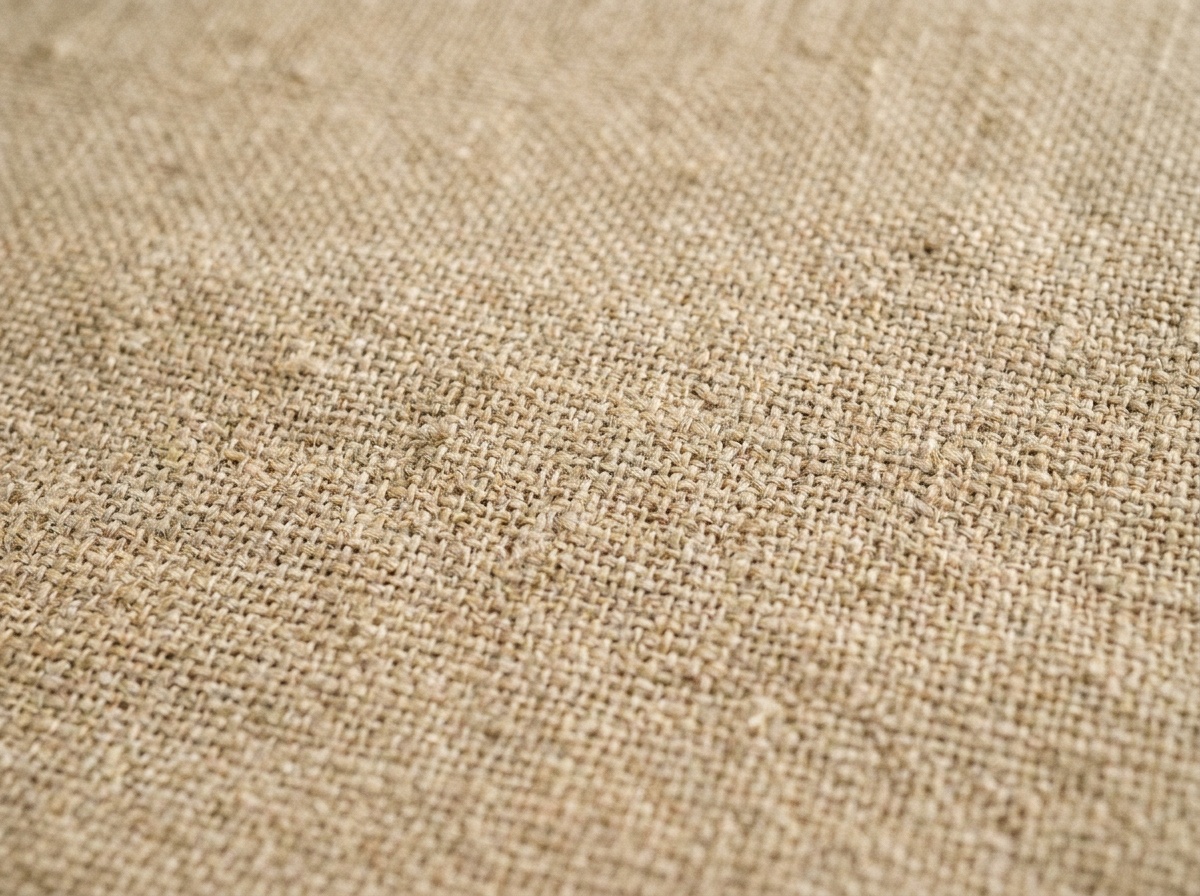
Linen suiting is a mid-to-heavy tailoring linen, woven at 200 to 290 g/m² in either a plain weave or a twill. The extra mass over shirting linen gives it body, enough to stand away from the frame and take a shaped seam, which is what separates a tailored linen jacket from a fluid linen shirt. It holds a pressed shape better than lighter linen and still breathes, so it works for warm-weather tailoring where wool would be too warm.
It creases, and that is the trait to plan around. Linen suiting takes a softer, blurrier wrinkle than shirting weight because of the mass, but it wrinkles all the same, and most tailors lean into that character rather than fight it. Press with steam and a damp cloth to set crisp lapels, seams, and creases, working from the wrong side so the surface keeps its matte look. The cut edges fray, so finish seams with an overlock or bound edge, and the heavier weight holds interfacing and a light shoulder structure without collapsing.
For construction, use an 80/12 or 90/14 needle and a good all-purpose polyester or cotton thread at a 2.5 to 3 mm stitch. It presses open cleanly, so tailored details like welt pockets, back vents, and set-in sleeves come out sharp. Preshrink the yardage before cutting, since linen can shrink 3 to 5 percent on first wash and a fitted jacket has no ease to spare. It suits unlined or half-lined jackets, wide trousers, and structured dresses that need shape without heat.