Rayon Challis
drapey dresses, blouses, wide trousers
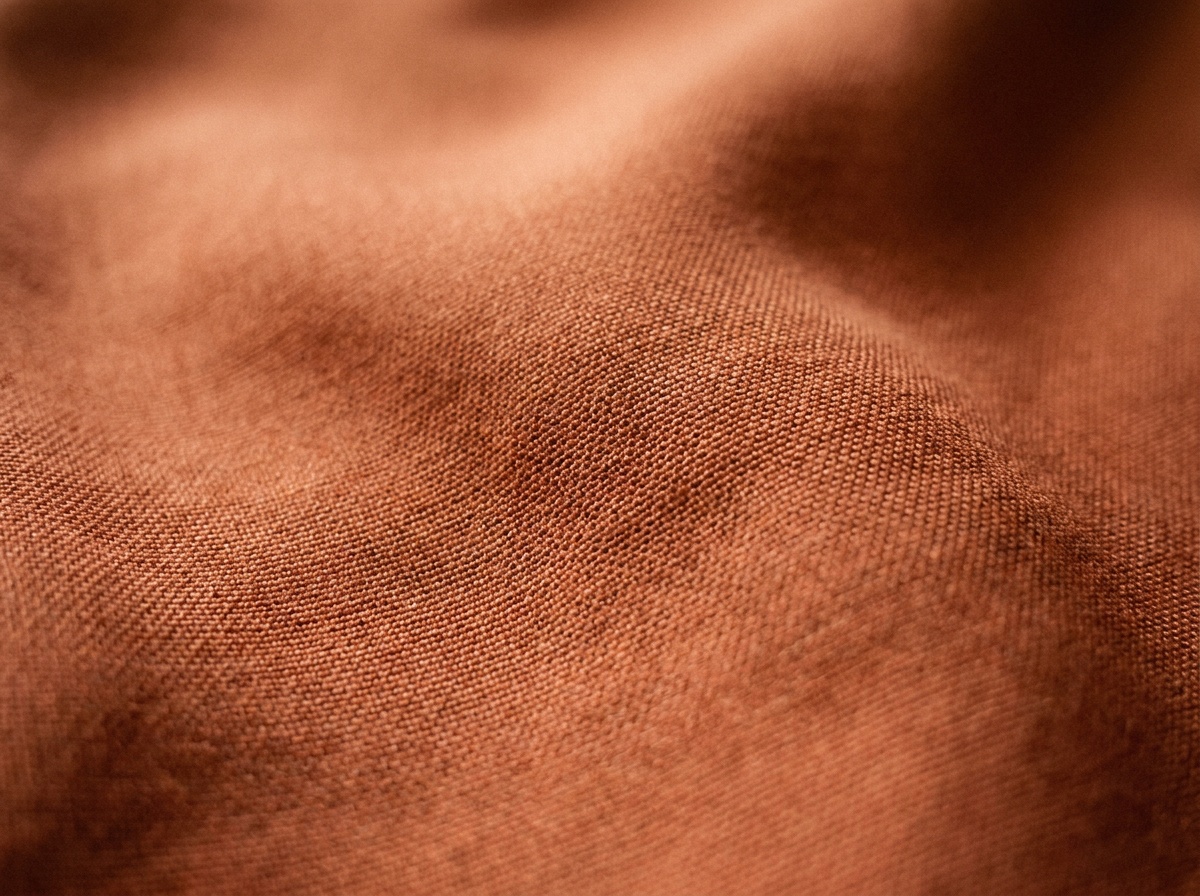
Rayon challis is a plain-weave cloth spun from rayon, the regenerated cellulose fiber also sold as viscose. It sits in a light range, roughly 100 to 160 g/m², and reads soft and cool against the skin with a liquid drape that no cotton at the same weight will match. The fiber takes dye deeply, so prints and solids both run saturated. Rayon absorbs moisture and loses strength when wet, which is the reason hot washing shrinks it and aggressive agitation can distort the weave.
The drape is the selling point and the hazard. Challis moves and grows on the bias, so a piece cut a hair off grain will hang crooked and lengthen over a day of wear. Cut single-layer on a clean table, weight the pattern rather than pinning through both plies, and let bias-heavy panels hang 24 hours before hemming. Edges fray at a moderate rate, so finish seam allowances with a serger or a French seam. Use a fresh 70/10 or 80/12 microtex needle and a shorter stitch, around 2.2 to 2.5 mm, to keep the light cloth from being pushed into the throat plate. A walking foot or tissue under the seam steadies feed. Press on a moderate iron, wool or silk setting, with a little steam; the cloth takes a crease well and does not scorch easily at that heat.
Rayon challis suits garments that trade on movement: bias or gathered dresses, full blouses, and wide-leg trousers that need to swing rather than hold a line. Prewash before cutting so later laundering does not shrink a finished garment, and expect the cloth to relax a size after its first wash.